


Managing commercial pool facilities involves a constant battle against surface debris. You face rising labor costs and strict hygiene standards every single day. Manual skimming eats up valuable hours. A surface-focused Robotic Pool Cleaner solves this specific operational hurdle. It actively skims the water's top layer. This type of commercial pool cleaning robot differs entirely from traditional bottom-dwelling vacuums. Let us set an objective tone right away. Automating surface cleaning is not a magic bullet. It will not eliminate all facility maintenance. However, it serves as a highly targeted strategy. It helps reduce organic load significantly. It protects complex filtration systems from premature failure. It also stabilizes your overall operational expenditure. In this article, you will learn exactly how an automatic surface cleaning robot works. We explore its direct impact on water quality. You will also discover the core criteria needed to evaluate these machines for your facility. You can then make an informed procurement decision.
Key Takeaways
Operational Efficiency: Automating surface skimming with a Robotic Pool Cleaner reallocates 10–15 hours of manual labor per week toward higher-value facility maintenance.
Filtration Protection: Removing floating debris before it sinks reduces strain on main pumps and bottom-dwelling robotic pool cleaners, extending equipment lifespans.
Water Quality & Compliance: Continuous organic matter removal by a commercial pool cleaning robot directly improves water chemistry stability and helps maintain strict commercial health code compliance.
Realistic ROI: Procurement decisions should be weighed against labor savings, chemical reduction, and SLA guarantees, acknowledging the upfront capital expenditure of a commercial robotic pool cleaner.
The Business Case: Framing the Surface Debris Problem
Manual skimming drains your maintenance budget constantly. Calculate the cumulative labor hours spent on manual surface netting. High-traffic environments require constant attention. Hotels, country clubs, and municipal pools feature heavy landscaping. Leaves and pollen fall into the water continuously. A maintenance worker easily spends two hours daily netting a large commercial pool. This equals fourteen hours a week. You pay skilled staff to perform a highly repetitive task. They could spend this time balancing chemicals or repairing critical equipment instead. A surface-focused Robotic Pool Cleaner helps move this routine work into an automated process.
Floating organic matter causes deeper mechanical problems. Leaves, pollen, and insects decay quickly. If you fail to capture them at the surface, they sink. Industry professionals call this the "sink" effect. Sunken debris increases the particulate load massively. It strains your bottom vacuums. It overloads main facility skimmers. Wet leaves form dense mats over suction grates. This restricts water flow. Your main circulation pumps must work much harder. They consume more electricity and wear out faster. A commercial pool cleaning robot reduces this risk by collecting debris while it is still floating.
Guest perception matters immensely in commercial hospitality. Surface debris creates an immediate visual impact. A guest sees floating leaves and assumes poor hygiene. They rarely notice perfectly balanced water chemistry. You must bridge this gap between perception and reality. A pristine water surface protects your facility's reputation. Guests feel safe entering a visually clean pool. Negative reviews frequently mention floating bugs or leaves. Proactive surface management with a pool surface skimmer robot stops these complaints entirely.
How a Commercial Pool Cleaning Robot Impacts Water Quality
Deploying a commercial pool cleaning robot transforms water management. Continuous surface clearing reduces your overall chlorine demand. Organic matter consumes free chlorine as it breaks down. Less decaying matter means fewer chloramines. Chloramines cause strong odors and eye irritation. Removing the debris early keeps your sanitizer levels stable. You spend less time adjusting chemical feeders. Your water stays clearer and safer for swimmers. For large aquatic facilities, a Robotic Pool Cleaner is not only a cleaning device but also a support tool for chemical stability.
Surface automation directly relieves the main filtration system. It captures leaves before they reach the skimmer baskets. This prevents sudden and severe clogs. Unobstructed skimmers maintain optimal water circulation. Proper circulation distributes chemicals evenly across the pool. You also reduce the risk of pump cavitation. Cavitation occurs when clogged skimmers starve the pump of water. This causes severe mechanical damage. Automation prevents this costly failure scenario. A commercial robotic pool cleaner can therefore reduce both visible debris and hidden mechanical stress.
Local health departments conduct impromptu facility inspections. Passing these checks requires measurable compliance. Surface cleanliness serves as a highly visible metric. It demonstrates your commitment to a safe swimming environment. Inspectors check for adequate skimming action. An automated unit guarantees constant surface turnover. It provides an extra layer of operational security. You maintain compliance even during unexpected leaf drops or high wind events. In this context, a commercial pool cleaning robot supports both daily cleaning and facility risk control.
Impact of Surface Automation on Water Chemistry | ||
Metric | Manual Skimming (Periodic) | Automated Skimming with Robotic Pool Cleaner (Continuous) |
|---|---|---|
Organic Load | High (Debris sits and decays) | Low (Debris removed immediately) |
Chlorine Demand | Fluctuates heavily | Remains highly stable |
Chloramine Levels | Elevated (Causes eye irritation) | Minimized (Improves air/water quality) |
Skimmer Flow | Prone to sudden blockage | Consistent and unobstructed |
Core Evaluation Criteria for Commercial Facilities
Commercial settings demand robust hardware. You cannot rely on residential-grade machines. You must evaluate several core features carefully. First, consider debris capacity and extraction. Commercial pools require high-capacity containment. A large basket or net prevents frequent emptying. You want uninterrupted operation during peak hours. Small baskets fill up in thirty minutes during autumn. Look for multi-liter capacity ratings. A commercial pool cleaning robot should be designed for repeated daily use, not occasional backyard cleaning.
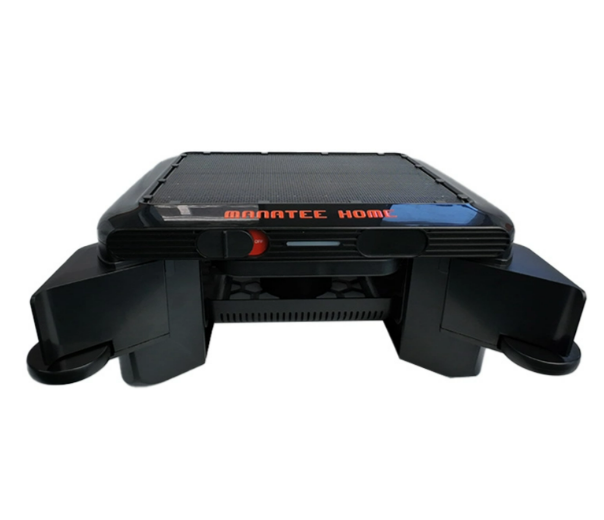
Next, assess power and autonomy. You must choose between cordless, solar, or battery options. Review the battery life and charge times carefully. Solar-assist capabilities extend runtimes significantly during sunny days. Commercial facilities require uninterrupted runtimes. Avoid trailing cords entirely. They pose severe entanglement risks for swimmers. Cordless units provide the safest operational profile. For open-air hotel pools and resort pools, a solar-powered Robotic Pool Cleaner can reduce charging pressure during long operating hours.
Navigation algorithms dictate cleaning efficiency. Look for smart pathing features. Ultrasonic sensors and gyroscopes outperform random-pattern movement. Random bouncers miss large sections of water. Smart sensors ensure complete and methodical coverage. Olympic-sized or complex-shaped pools require precise mapping. The machine must navigate around zero-entry slopes and water features smoothly. A smart pool cleaning robot should adapt to return jets, ladders, corners, and changing surface debris patterns.
Finally, emphasize durability and material construction. Demand high UV resistance. Sun exposure degrades cheap plastics quickly. Look for chemical-resistant materials like polycarbonate or reinforced ABS. You also need easily replaceable wear parts. Propellers and netting wear out eventually. They must withstand heavy daily use. Modular designs allow your staff to swap parts in minutes. This is especially important when selecting a commercial pool cleaning robot for hotels, schools, gyms, waterparks, and public aquatic centers.
Best Practices for Evaluating Units
Verify the exact basket volume in liters, not just vague marketing terms.
Check the IP (Ingress Protection) rating for internal battery compartments.
Ensure the unit features a manual override or easy retrieval hook.
Confirm the availability of replacement impellers and filters locally.
Confirm whether the Robotic Pool Cleaner is approved for commercial pool environments and daily operating schedules.
Limitations: Is a Surface Cleaning Robot Enough?
Maintenance forums often debate this exact topic. Many facility managers assume a surface cleaner handles everything. We must state this clearly. They do not replace wall or bottom scrubbing. You still face the wall and waterline reality. Surface skimming focuses strictly on the top layer. Biofilm and calcium scale still build up along the tile line. Dirt still settles on the bottom. A surface Robotic Pool Cleaner improves daily cleaning efficiency, but it should not be treated as the only cleaning system in a commercial facility.
You must adopt a hybrid approach. A surface unit handles floating debris excellently. You must deploy it alongside a standard bottom-crawling robotic pool cleaner. You also need routine chemical balancing. These systems complement each other perfectly. The surface unit catches leaves before they sink. The bottom unit handles heavy sand and sunken algae. Together, they automate the physical cleaning completely. For many operators, this combined setup is the most practical automated pool cleaning strategy.
Environmental edge cases expose certain limitations. Surface robots struggle during extreme weather events. Heavy storms dump massive amounts of debris suddenly. High winds push units into corners. Highly viscous surface contaminants present another distinct challenge. Heavy sunscreen slicks or commercial tanning oils can foul the intake mechanisms. You must intervene manually during these rare events. Staff should net large storm debris first before deploying the robot. This protects the intake system of the commercial pool cleaning robot and maintains consistent cleaning performance.
Implementation Realities and Rollout Risks
Introducing automation creates new management challenges. Staff adoption often leads to "automation complacency." Your maintenance team might neglect chemical checks. They might skip routine filter backwashing. They assume the machine handles everything. You must train them properly. Redefine their daily checklists. Shift their focus from netting to equipment inspection and water testing. A Robotic Pool Cleaner should support staff workflows, not replace professional pool maintenance judgment.
Charging and storage logistics require careful planning. You must set up safe, dry charging stations. Ensure these areas comply with local electrical safety codes. Keep them far away from splash zones. Never store lithium-ion units near harsh chemicals. Chlorine gas corrodes charging contacts quickly. Create a dedicated, well-ventilated storage shelf in your maintenance room. This is a basic requirement for any battery-powered commercial pool cleaning robot.
Deployment timing affects facility liability directly. Running surface robots alongside guests poses inherent risks. Swimmers might interact with the device. We strongly recommend designated deployment schedules. Run the units two hours before opening. Run them again immediately after closing. This mitigates liability entirely. It also prevents guest interference and protects the hardware from damage. Clear deployment timing helps your pool surface skimmer robot work efficiently without disrupting guests.
Recommended Rollout Schedule
Week 1: Run the unit under direct staff supervision to map blind spots.
Week 2: Establish permanent charging stations and finalize storage protocols.
Week 3: Update daily maintenance logs to include Robotic Pool Cleaner deployment and retrieval times.
Week 4: Conduct a full staff review regarding automation complacency and chemical checks.
Shortlisting Logic: Making the Procurement Decision
Procurement requires careful hardware matching. Start by sizing the solution accurately. Match the robot's square-footage rating to your actual surface area. Never under-size a unit to save upfront costs. This leads to poor performance and dead batteries. A machine rated for a small hotel pool will fail in an Olympic facility. Always factor in a twenty percent buffer capacity. The right commercial pool cleaning robot should match your water surface area, debris load, opening hours, and staff schedule.
Demand commercial-grade warranties explicitly. Residential warranties become void in commercial settings immediately. Review the commercial Service Level Agreements (SLAs) closely. Ensure local repair availability. Mail-in repairs take weeks. Rapid-response support keeps your pool operational. Ask the manufacturer about loaner programs during major repairs. Your facility cannot afford prolonged downtime. This matters especially when the Robotic Pool Cleaner becomes part of your daily maintenance workflow.
Always request a pilot test before purchasing. Ask for a 7-to-14-day on-site demo. You must validate the manufacturer's navigation claims personally. Test the unit against your specific water currents. Return jets can push lightweight robots off course. Observe the unit around water features, ladders, and edge designs. A successful pilot test guarantees the hardware fits your unique environment. It also confirms whether the commercial robotic pool cleaner can deliver reliable surface cleaning under real operating conditions.
Conclusion
We covered the necessary shift from reactive skimming to proactive surface management. Managing a commercial pool demands efficiency. Automating your surface cleaning delivers exactly that. A Robotic Pool Cleaner removes debris before it sinks and decays.
Integrating a commercial unit requires specific workflow adjustments. You also face an initial capital investment. However, the measurable returns justify the integration clearly. You improve labor allocation across your maintenance team. You extend vital equipment longevity by preventing clogs. You also boost guest satisfaction through pristine water presentation. A well-selected commercial pool cleaning robot can become a practical daily tool for hotels, schools, resorts, fitness centers, and public pools.
You should take immediate actionable next steps. Audit your current manual skimming hours this week. Assess your primary debris types to understand your capacity needs. Define your specific hardware requirements based on pool size. Finally, contact a manufacturer to schedule an on-site pilot test.
FAQ
Q: Does a surface cleaning robot replace my bottom-crawling robotic pool cleaner?
A: No. Surface cleaners specialize in floating debris. You still need a bottom-dwelling unit to handle sunken particulate, algae, and wall/floor scrubbing. A surface Robotic Pool Cleaner and a bottom robotic pool cleaner work best as complementary systems.
Q: Are these robots safe to operate while guests are in the commercial pool?
A: While many are technically safe (low voltage/cordless), best practices dictate running them during off-hours to prevent guest interference, damage to the unit, and potential liability. For commercial facilities, a commercial pool cleaning robot should be deployed according to a clear operating schedule.
Q: How long do commercial surface robot batteries actually last?
A: Depending on the model and environmental factors (like solar assist), commercial units typically run 4 to 12 hours. However, high debris loads and strong pool jets can drain batteries faster than advertised. Always evaluate battery life under your actual pool conditions before choosing a Robotic Pool Cleaner.
Q: Can they clean the waterline tiles?
A: Surface skimming robots focus on the water's surface layer. Dedicated wall-climbing robots or manual brushing are still required to remove waterline scale and biofilm. A commercial pool cleaning robot is mainly designed for surface debris control, not tile scrubbing.