


Pool walls and waterlines serve as primary breeding grounds for invasive algae and stubborn biofilm. These slick vertical surfaces demand labor-intensive manual brushing to keep your water safe and pristine. Without regular friction, even perfectly balanced water chemistry will eventually fail. Fortunately, pool technology has evolved significantly past basic floor-only vacuums. Today, an advanced Robotic Pool Cleaner can take over this strenuous task to deliver more comprehensive cleaning across floors, walls, and waterlines.
This article objectively evaluates how a wall climbing robotic pool cleaner impacts overall maintenance timelines, chemical usage, and daily operational efficiency. You will discover the exact mechanics behind vertical navigation. We will explore how modern features translate into measurable outcomes. By the end, you will understand exactly how automating your vertical scrubbing with a Robotic Pool Cleaner transforms your weekly pool maintenance routine.
Key Takeaways
Labor Reduction: Wall-climbing models automate vertical scrubbing, reclaiming an average of 2–3 hours of manual labor weekly.
Enhanced Circulation: Active vertical movement from a wall climbing robotic pool cleaner improves water turnover, reducing the reliance on high chemical dosing and primary pump runtime.
Surface Dependency: Climbing performance relies heavily on pool surface material (gunite, fiberglass, vinyl) and matching the correct track/brush type.
Pre-Purchase Evaluation: True maintenance efficiency requires assessing waterline scrubbing capabilities, navigation logic, and filter accessibility before choosing a Robotic Pool Cleaner.

The Hidden Costs of Incomplete Pool Maintenance
You cannot achieve pristine water quality by merely vacuuming the floor. True pool hygiene requires comprehensive attention to every submerged surface. Neglecting vertical spaces leads to cascading chemistry failures. It ultimately costs you time and money. A floor-only automatic cleaner may remove loose debris, but a wall climbing robotic pool cleaner addresses the areas where algae and biofilm often begin.
The Vertical Problem
Walls, coves, and the waterline represent critical failure points in pool chemistry. Biofilm thrives in these areas if left unbrushed. This invisible slime layer protects algae spores from sanitizers. Chlorine cannot penetrate thick biofilm easily. Therefore, algae blooms often start on the walls before spreading to the main water body. Regular brushing breaks down this protective barrier. It allows your chemicals to oxidize contaminants effectively. Without consistent vertical scrubbing, your water balance remains highly vulnerable to sudden algae outbreaks. This is where a Robotic Pool Cleaner with wall-climbing capability delivers a clear maintenance advantage.
Limitations of Traditional Cleaners
Traditional cleaners often fail to address these vertical challenges. Suction-side and pressure-side cleaners connect directly to your pool system. They navigate via random movement. These older designs struggle to navigate 90-degree angles. They frequently get stuck in corners or completely bypass the upper walls. Furthermore, they lack active scrubbing friction. They rely solely on ambient water flow or dragging mechanisms to agitate debris. This passive approach removes loose dirt but leaves stubborn biofilm completely intact. In comparison, a modern wall climbing robotic pool cleaner uses active brushes and independent motors to clean more than just the pool floor.
Operational Inefficiency
Poor wall maintenance creates severe downstream costs. Unbrushed algae consumes free chlorine rapidly. This creates a higher daily chlorine demand. Additionally, loose debris eventually settles into your main filtration system. It clogs your sand or cartridge filters prematurely. You must then perform frequent filter backwashing. Backwashing wastes heated, chemically treated water. You also must run your primary pool pump longer to compensate for poor circulation. These compounded inefficiencies turn minor neglect into a major drain on your maintenance resources. A well-matched Robotic Pool Cleaner helps reduce this burden by removing debris and biofilm before they create larger maintenance problems.
Common Mistake: Relying on shock treatments to fix cloudy water caused by poor wall brushing. Shocking masks the symptom but ignores the underlying biofilm buildup.
The Mechanics Behind a Wall-Climbing Robotic Pool Cleaner
Understanding how automation tackles vertical spaces requires a look under the hood. Modern units rely on precise physics, advanced software, and specialized materials to defy gravity. A high-quality wall climbing robotic pool cleaner combines suction, propulsion, traction, and filtration into one independent cleaning system.
Suction and Propulsion Systems
Gravity constantly pulls downward. To counteract this, a robotic pool cleaner uses a powerful internal pump. This pump draws water in through the bottom chassis. It then expels this water rapidly out of the top exhaust. This high-velocity water expulsion creates massive downward thrust. The physics resemble a jet engine pushing the unit firmly against the pool wall. Independent drive motors then propel the unit upward. This dual-motor approach separates propulsion from water filtration. It ensures consistent grip even when the internal filter basket begins filling with debris. For pool owners comparing automatic pool cleaner options, this independent climbing mechanism is one of the biggest advantages of a Robotic Pool Cleaner.
Smart Navigation vs. Random Pathing
Navigation software dictates how efficiently a machine cleans. Older models use randomized cleaning patterns. They wander aimlessly, bouncing off walls like pinballs. This leaves significant gaps in vertical coverage. In contrast, modern units use algorithmic pool mapping. They utilize gyroscopes and sensors to calculate optimal wall-to-floor coverage. The software measures pool dimensions during the first few minutes of a cycle. It then plots a methodical grid pattern. This ensures the unit systematically scrubs every inch of the wall and waterline without wasting energy. A smarter wall climbing robotic pool cleaner can therefore reduce repeated passes, missed areas, and unnecessary runtime.
Traction and Scrubbing Technology
Getting up the wall is only half the battle. Cleaning it requires specialized hardware. Continuous tracks replace traditional wheels. These treads provide maximum surface area contact. They prevent slipping on slick algae or fiberglass. Meanwhile, dual-active scrubbing brushes spin independently of the drive tracks. They rotate up to twice as fast as the machine moves. This aggressive friction breaks down stubborn biofilm on vertical surfaces. It physically dislodges spores and dirt, feeding them directly into the vacuum intake. This active scrubbing ability separates a true wall climbing robotic pool cleaner from basic pool vacuums.
Measurable Efficiency Gains: Features to Outcomes
Automating your vertical cleaning routine provides tangible operational benefits. The shift from manual labor to smart technology directly impacts your daily resource consumption. A reliable Robotic Pool Cleaner improves not only cleaning coverage but also energy use, chemical stability, and equipment protection.
Energy Consumption
Traditional cleaners demand immense power. They require your primary 1.5 HP pool pump to run continuously. Running a primary pump costs several dollars per day depending on local electricity rates. Robotic models operate completely independently. They use low-voltage DC motors powered by standard outlets or internal batteries. A complete cleaning cycle typically costs mere pennies in electricity. This drastic reduction in energy consumption makes independent cleaners exceptionally efficient. For many households and commercial users, a Robotic Pool Cleaner is a more energy-conscious alternative to pump-driven cleaning systems.
Chemical Optimization
A robotic cleaner acts as a mobile secondary filter. It pulls water from the floor and expels it near the surface. This active vertical movement dramatically improves water turnover. It mixes the water column efficiently. Better mixing disperses chlorine and balancers evenly throughout the pool. The machine's micro-filtration also captures organic matter before it decays. Less decaying matter means lower sanitizer demand. You will spend noticeably less money on shock treatments and liquid chlorine. A wall climbing robotic pool cleaner further supports this process by removing organic buildup from walls before it becomes a larger water chemistry issue.
Preventative Maintenance
Capturing debris inside a self-contained unit protects your primary pool equipment. Traditional vacuums send dirt directly into your skimmer and main filter. This accelerates structural wear on your pump impeller. It also degrades your filter media rapidly. By removing fine debris from the walls before it settles, independent robots reduce this burden. Your primary filtration system stays cleaner longer. You extend the lifespan of expensive cartridge filters and reduce the frequency of mandatory backwashing. In this sense, a Robotic Pool Cleaner functions as both a cleaning device and a preventative maintenance tool.
Efficiency Comparison Chart
Feature | Traditional Suction Cleaner | Wall-Climbing Robotic Pool Cleaner |
|---|---|---|
Energy Source | Relies on main pool pump (High power) | Independent low-voltage motor (Low power) |
Wall Cleaning | Passive dragging, rarely reaches waterline | Active dual-brush scrubbing, maps waterline |
Debris Storage | Clogs primary pool filter | Self-contained internal basket |
Water Circulation | Minimal impact on water mixing | Acts as a mobile secondary pump |
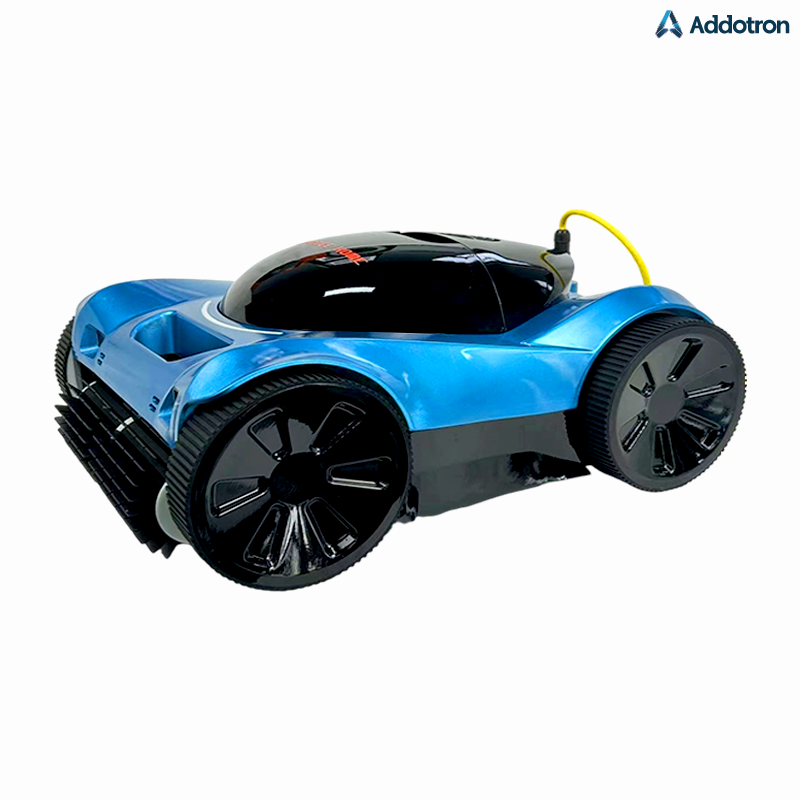
Implementation Realities: Factors That Impact Climbing Performance
Even the most advanced technology requires proper operating conditions. Certain environmental and structural factors heavily influence how well your machine navigates vertical spaces. Before purchasing a wall climbing robotic pool cleaner, you need to check whether your pool surface, water chemistry, and debris conditions match the cleaner's design.
Surface Material Compatibility
Pool surfaces vary wildly. Climbing performance relies heavily on matching the correct track and brush type to your specific material. If you use the wrong hardware, the unit will slip or cause damage. This is why surface compatibility should be one of the first factors you review when selecting a Robotic Pool Cleaner.
Gunite/Concrete: These rough surfaces offer excellent natural traction. They require durable, standard rubber brushes. Standard rubber withstands the abrasive nature of plaster without wearing down instantly.
Fiberglass/Tile: These surfaces become incredibly slick when wet. They often require specialized PVA (Polyvinyl Alcohol) brushes. PVA acts like a sponge. It sticks firmly to slippery walls, providing the necessary grip for vertical movement. Alternatively, foam rollers offer similar adhesive benefits.
Vinyl Liners: Liners require gentle handling. You must use non-abrasive tracks and soft brushes. Hard plastic bristles can tear or scratch the vinyl over time, causing irreversible damage.
Environmental and Maintenance Variables
Users occasionally report their machine refuses to climb. Usually, environmental variables cause this issue. High algae levels create a microscopic slip-and-slide effect. The tracks simply cannot find traction. Similarly, imbalanced pH can scale the pool walls, affecting grip. Maintenance habits also play a critical role. Clogged filter canisters restrict water expulsion. If water cannot exit the top quickly, the machine loses its downward thrust. This disrupts the suction-to-weight ratio required for vertical movement. Always start a cycle with a clean basket. Even the best wall climbing robotic pool cleaner needs proper water conditions and clean filters to maintain strong climbing performance.
Best Practice: Test your water chemistry weekly. Keep your pH between 7.4 and 7.6 to prevent scaling, ensuring your cleaner's tracks maintain optimal friction.
The "Swamp" Limitation
Consumers often misunderstand the purpose of these machines. They are designed for daily maintenance, not disaster remediation. If your pool looks like a green swamp, do not deploy your robot. Heavy algae blooms will instantly clog the micro-filters. The unit will stall out within minutes. You must perform manual shocking, flocking, and vacuuming to waste first. Once you restore basic water clarity, the automated cleaner can easily maintain that baseline. Treat it as a preventative tool, not a rescue device. A Robotic Pool Cleaner works best when used consistently before algae and debris become severe.
Decision Framework: Shortlisting the Right Model for Your Pool
Choosing the correct model requires evaluating your specific architectural needs. Do not just buy the most expensive option. Focus on the features that actually solve your daily maintenance challenges. The right wall climbing robotic pool cleaner should match your pool size, surface material, debris type, and waterline cleaning expectations.
Waterline Scrubbing vs. Wall Climbing
Understand the strict difference between simple climbing and active waterline scrubbing. Basic models merely drive up the wall, pause, and drop back down. They clean the vertical face but ignore the tile line. Premium models feature lateral waterline scrubbing capabilities. They drive up the wall, turn 90 degrees, and shuffle sideways along the waterline. This lateral movement actively scrubs away the greasy scum line caused by sunscreen and pollen. If your pool struggles with tile line buildup, you must prioritize lateral movement. A Robotic Pool Cleaner with waterline scrubbing capability provides stronger long-term value than a model that only climbs partway up the wall.
Filter Capacity and Access
Nobody enjoys wrestling with heavy equipment. Recommend top-loading filter baskets for ease of use. Bottom-loading models require flipping the heavy, wet machine upside down. Top-loading canisters pop out with a single click. Furthermore, evaluate your primary debris type. If you fight leaves and twigs, you need a coarse mesh filter basket. If you battle fine sand, pollen, or dead algae, you must use pleated, fine-micron filters. Many top-tier models include both options in the box. Easy filter access also encourages consistent maintenance, which directly improves the performance of a wall climbing robotic pool cleaner.
Cable Management
Tangled cables severely limit climbing capability. If the cord knots up, it restricts the machine's reach. The unit will start a vertical climb, feel resistance from the tangled cord, and abort the path. Highlight the necessity of anti-tangle swivels. These rotating joints prevent the cord from twisting during operation. Better yet, modern cordless models completely eliminate this restriction. A battery-powered unit ensures the machine completes a wall-climbing cycle flawlessly without any tethered resistance. For users who want easier daily operation, a cordless robotic pool cleaner can make the entire cleaning routine simpler and safer.
Warranty and Serviceability
Pool equipment endures harsh chemical environments. Parts will eventually wear out. Factor in the availability of replacement tracks, brushes, and internal filters. You want a brand with accessible spare parts. Additionally, scrutinize the motor warranty. Dual-drive motors and suction pumps are expensive to replace out of pocket. A comprehensive 2-to-3-year warranty provides crucial peace of mind. Prioritize serviceability to ensure your equipment runs efficiently season after season. This is especially important when a Robotic Pool Cleaner becomes part of your regular pool maintenance system.
Conclusion
The shift from strenuous manual labor to automated efficiency completely redefines pool ownership. Hand-brushing coves, walls, and waterlines drains your time and frequently leads to neglected corners. Embracing advanced navigation and active scrubbing technologies guarantees consistent, comprehensive coverage. A wall climbing robotic pool cleaner makes vertical cleaning more predictable and less dependent on manual effort.
Investing in vertical cleaning automation is highly justified. It delivers immediate reductions in chemical costs, slashes your primary energy use, and reclaims hours of your weekend. By removing biofilm before it blooms, you protect your broader filtration system from premature wear. A high-performance Robotic Pool Cleaner also helps maintain cleaner walls, clearer water, and a more stable maintenance schedule.
Your clear next step is to evaluate your specific backyard environment. Assess your pool surface type to determine whether you need standard rubber or PVA brushes. Measure your pool dimensions and note your primary debris type. Use this data to match with the appropriate specifications and confidently upgrade your maintenance routine.
FAQ
Q: Do robotic pool cleaners actually climb walls effectively?
A: Yes, they climb highly effectively, provided ideal conditions are met. The suction motor must be clear of debris to maintain strong downward thrust. The pool water chemistry must be balanced to prevent slippery algae or scaling. Finally, you must match the correct brush material to your specific pool surface to ensure adequate traction. A properly selected wall climbing robotic pool cleaner can clean walls and waterlines far more consistently than traditional suction cleaners.
Q: Will a wall-climbing robot clean the pool steps and benches?
A: Most models struggle with shallow steps or complex, narrow ledges. While some high-end models handle broad, deep steps reasonably well, they cannot navigate tight 90-degree internal corners effectively. Manual brushing is often still required for these intricate architectural features. However, a quality Robotic Pool Cleaner can still reduce the overall manual workload by handling the main floor, walls, and waterline.
Q: How often should I run my robotic pool cleaner?
A: As a baseline, run your machine 2 to 3 times a week. You should increase this frequency during heavy pollen seasons, after major storms, or following high bather loads. Consistent operation maintains wall cleanliness and prevents biofilm from establishing a foothold. Running a Robotic Pool Cleaner regularly is more effective than waiting until dirt, algae, or waterline buildup becomes visible.
Q: Why did my robotic pool cleaner stop climbing the walls?
A: Start with immediate troubleshooting steps. Empty the internal filter basket; a clogged filter kills the suction needed for climbing. Check the bottom impeller for trapped leaves or hair. Finally, test your water chemistry. Early-stage algae creates a slippery surface that tracks cannot grip. If your wall climbing robotic pool cleaner still struggles after these checks, review whether the brush type matches your pool surface.