


In high-end hospitality, pristine aquatic amenities drive guest satisfaction and glowing reviews. Resorts and luxury villas depend heavily on sparkling water to maintain their premium appeal. A single floating leaf or a dirty tile line can ruin a five-star aesthetic quickly. However, traditional manual pool maintenance is highly labor-intensive. Relying entirely on human crews introduces inevitable errors and inconsistent results. Ongoing staffing shortages also make this outdated approach increasingly difficult to sustain.
Transitioning from manual scrubbing to automated systems solves these daily challenges. You must carefully evaluate commercial-grade equipment to align it seamlessly into your daily operational workflows. Not all machines perform equally in commercial environments. This article provides property managers and hospitality operators a clear, evidence-based framework. We will help you evaluate, select, and confidently implement the ideal automated solution for your specific facility needs.
Key Takeaways
Deploying a robotic pool cleaner shifts pool maintenance from reactive, labor-heavy tasks to automated, predictive operational workflows.
Commercial pools require specific evaluation criteria, heavily prioritizing waterline scrubbing capabilities, fine filtration, and navigational efficiency over standard residential features.
While they dramatically reduce manual labor, robotic cleaners do not replace the need for chemical balancing and routine facility oversight.
Choosing between cordless models and heavy-duty corded systems depends entirely on pool scale, guest traffic hours, and staff availability.
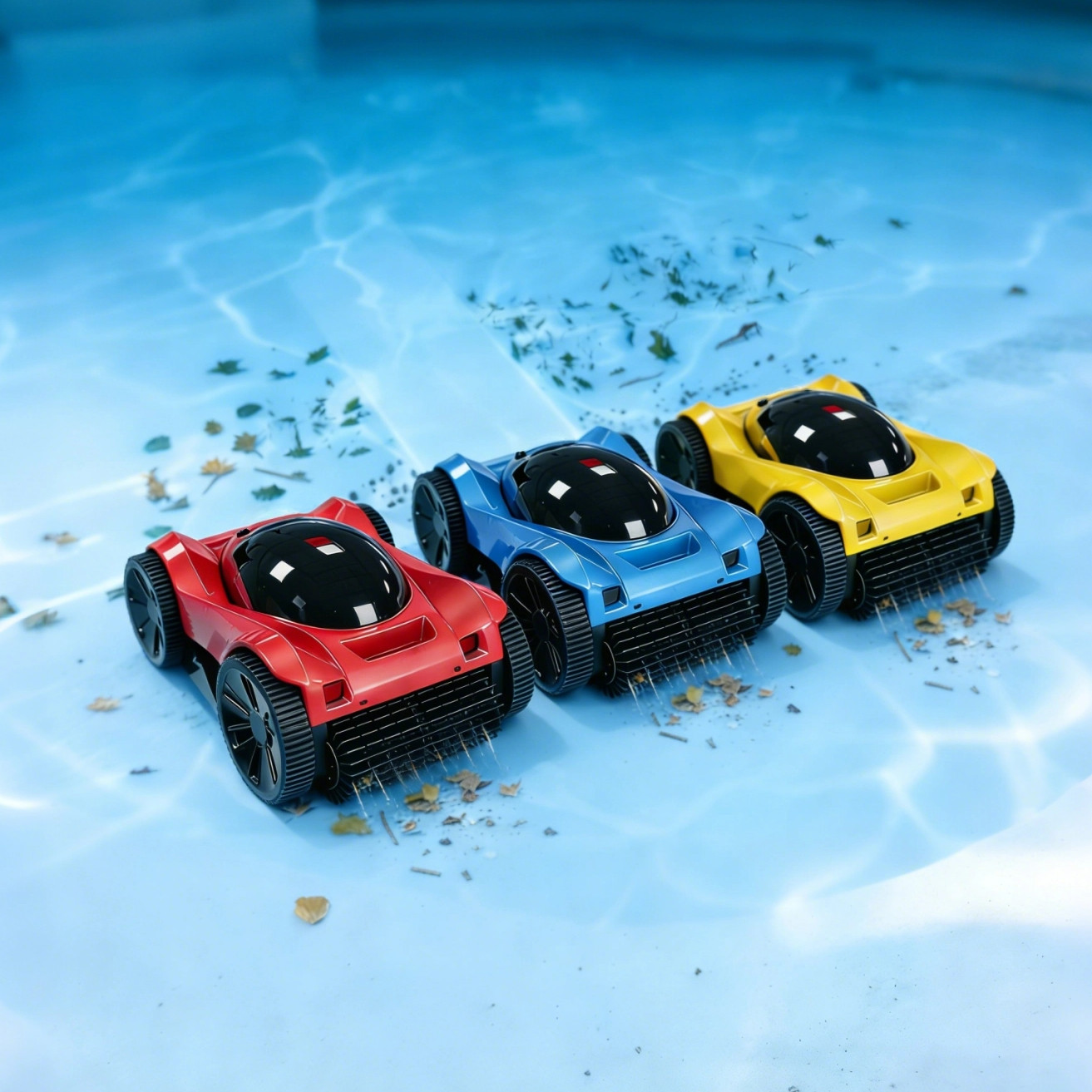
The Business Case: Reframing Pool Maintenance in Hospitality
Managers often view pool cleaning as a basic utility task. We need to reframe this perspective immediately. An automated cleaner directly impacts your operational efficiency and guest satisfaction.
Labor Reallocation: Automated floor and wall climbing frees your maintenance staff dramatically. They no longer spend hours pushing heavy manual vacuums under the hot sun. Instead, they can focus on high-value operational tasks. This shift transforms your workforce in several ways:
Groundkeepers can handle complex pump room repairs.
Staff can respond much faster to VIP guest requests.
Operators can monitor chemical balancing more closely.
Maintenance teams move from reactive janitorial duties to proactive facility management.
Guest Experience & Aesthetics: Consistent water clarity directly enhances visual appeal. Pristine pools fuel your social media marketing efforts daily. Guests love snapping photos by crystal-clear water. Special edge-case activities demand absolute visual perfection. Underwater photography and high-end video shoots require spotless environments. A commercial cleaner ensures you always look your best. Beautiful water drives positive online reviews.
Predictable Operational Expenses (OpEx): Manual labor costs fluctuate wildly throughout the year. Seasonal volume spikes and surprise overtime hours strain your budgets. You can contrast this against the fixed operational cost of an automated machine. You lock in your daily cleaning capacity instantly. You eliminate unpredictable wage spikes completely. This keeps your operational budgets stable and predictable all year long.
Core Evaluation Criteria for Commercial & Villa Environments
Not all machines handle rigorous commercial demands. You must assess specific features before buying. Standard residential units will fail quickly in a busy resort.
Navigational Intelligence and Coverage
Older machines use simple random pattern movements. They bounce off walls blindly and change direction. This wastes valuable time and misses large areas. Modern commercial units use advanced algorithmic scanning. They map the exact dimensions of your water features before cleaning. This mapping capability is absolutely necessary for hospitality environments. Resort pools often feature highly complex shapes. Zero-entry zones, multi-tiered sections, and submerged islands easily confuse basic models. Smart navigation ensures complete coverage efficiently. It guarantees every square inch gets scrubbed before the cycle ends.
Waterline Scrubbing Efficiency
Waterline cleaning remains critical in hospitality settings. Heavy guest traffic leaves behind massive amounts of sunscreen and body oils. Environmental debris like pollen also sticks to the tiles. This creates highly visible, unsightly scum lines along the edge. You must select a machine explicitly designed for waterline scrubbing. It needs active, fast-spinning brushes to break down this sticky residue. Clean waterlines immediately signal high hygiene standards to your guests. Failing to clean this zone leads to permanent tile staining.
Power Delivery: Cordless vs. Commercial Tethered
Power choices heavily impact your daily operations. You must match the power delivery type to your exact property size.
Feature | Cordless (App-Controlled) | Tethered (Commercial Grade) |
|---|---|---|
Best Environment | Private luxury villas, boutique pools | Massive aquatic centers, high-traffic resorts |
Power Supply | Internal rechargeable battery | Continuous power via floating cable |
Advantages | Zero trip hazards, easy remote deployment | Unlimited run time for massive volumes |
Challenges | Requires regular charging logistics | Requires strict cord management |
Cordless models work beautifully for private luxury villas. They eliminate ugly cords and dangerous trip hazards. Guests enjoy a seamless, clean aesthetic around the deck. However, they introduce specific charging logistics for your staff. Tethered models dominate large resorts. They ensure continuous power for massive aquatic centers. They do require strict cord management to prevent tangling. Staff must operate them strictly during out-of-hours night shifts. If you need a reliable automated unit, a robotic pool cleaner delivers exceptional commercial results.
Debris Management and Filtration Ratings
You must evaluate micron ratings closely during your selection process. Finer filters capture much smaller particles from the water. A commercial machine must handle two very different types of debris daily. First, it faces heavy seasonal debris like large leaves and twigs. Second, it must trap micro-particles like fine sand, pollen, and human skin cells. It must do this without clogging mid-cycle and stopping. Multi-layer filtration systems handle this dual threat best. They separate large debris from fine dust efficiently.
Operational Realities: Implementation, Limitations, and Risks
Automated technology solves many daily problems, but it is not magic. You must understand its strict limitations to avoid operational failures.
The "Total Automation" Myth:
Many operators mistakenly believe robots handle everything completely. We call this the total automation myth. An automated machine does not replace your facility's main filtration system. It also cannot balance your pH or measure chlorine levels. You still need rigorous chemical management protocols in place. The machine serves as a heavy-duty physical scrubber. It acts as an assistant, not a replacement for a certified water chemist.
Maintenance Lifecycle:
These machines endure harsh underwater environments every single day. They rely on heavily used wear-and-tear parts. You will eventually need to replace brushes, drive tracks, and filter canisters. Scheduled preventative maintenance is an absolute necessity for commercial operations. Do not wait for the machine to break down entirely. Inspect parts weekly to prevent unexpected downtime during peak tourist seasons.
Staff Training:
Your groundskeepers will face a slight learning curve initially. Proper training protects your expensive equipment investment. We recommend a structured deployment checklist for your team:
Ensure staff understand safe deployment angles. They must submerge the unit slowly to release trapped air completely.
Train staff on proper removal techniques. They must pull the unit out by the designated handle. They should never pull or strain the floating cable.
Establish a strict daily routine for emptying and rinsing the filter canisters. Clogged filters destroy motor efficiency rapidly.
Deployment Timing:
Cleaning cycles require careful logistical planning by management. You cannot run a corded machine while guests swim. For high-traffic resorts, cleaning must occur strictly during closed hours. This ensures guest safety and strict legal compliance. It also allows the machine to map the floor and work without human interruption.
How to Shortlist a Robotic Pool Cleaner for Resorts vs. Private Villas
Every property has highly unique physical needs. You must define your specific success metrics before buying. We break this down into two distinct operational scenarios.
Scenario A: The High-Traffic Resort Pool
Shortlisting Logic: You need extreme durability and endurance above all else. Prioritize continuous-duty motors designed explicitly for heavy commercial use. Look for extended cable lengths equipped with anti-tangle swivels. Multi-filter configurations are also mandatory for large sites. They prevent the machine from choking on high-volume debris overnight.
Success Metric: The ultimate test is strictly time-based. The machine must successfully clean an Olympic-sized or complex multi-zone pool. It must complete this massive job entirely within a standard 4-to-6-hour night shift.
Scenario B: The Luxury Private Villa
Shortlisting Logic: Private VIP guests demand absolute discretion and high aesthetics. Prioritize ease of use above heavy-duty capacity. A cordless design works perfectly in this specific environment. It eliminates both aesthetic clutter and physical trip hazards. Smart-app connectivity is also highly desirable for property management. It allows your off-site managers to monitor cleaning cycles remotely. A cordless robotic pool cleaner for resorts and luxury villas perfectly fits this niche.
Success Metric: The physical cleaning process must remain invisible. You want extremely discreet operation and fast charging times. Most importantly, it must require zero intervention from the renting guest.
Maximizing ROI and Equipment Lifespan
Protecting your investment ensures long-term operational profitability. Proper handling drastically extends the physical lifespan of your equipment.
Proper Storage: Never leave the unit sitting on the hot concrete deck. Direct sunlight quickly degrades the outer plastic housing. Extreme summer temperatures damage the internal battery and motor seals. Always use the provided manufacturer storage caddy. Wheel it safely into a shaded, climate-controlled storage room when not in use.
Chemical Considerations: Water chemistry directly impacts machine longevity and motor health. Do not leave the unit in the water during heavy "shock" treatments. Extremely high chlorine levels act as a powerful corrosive agent. They rapidly degrade internal plastics, rubber drive tracks, and critical motor seals. Remove the machine completely before adding strong liquid chemicals.
Service Level Agreements (SLAs): Commercial buyers must look far beyond the physical machine itself. Evaluate the specific B2B warranty closely before signing. Investigate local certified repair networks in your specific region. Check the immediate availability of replacement parts before finalizing your purchase. A broken machine waiting three weeks for a replacement part destroys your operational efficiency.
Conclusion
Selecting the right commercial machine fundamentally changes your maintenance strategy forever. It balances your initial capital expenditure against long-term labor savings perfectly. Consistent, reliable aesthetic quality delights your guests daily. Moving forward, you should audit your current weekly maintenance hours carefully. Accurately measure your exact pool dimensions and depths. Understanding these specific numbers prepares you to request accurate commercial demos. Once you know your specific operational needs, you can confidently shortlist the best commercial or villa-grade units for your property. Take action today to streamline your facility management.
FAQ
Q: Do robotic pool cleaners work on all pool surfaces?
A: Yes, but brush types matter immensely. You must match the brush to your surface. PVA brushes provide excellent grip for slippery tile and fiberglass surfaces. Standard rubber brushes work best for rougher concrete or gunite pools. Choosing the wrong brush results in poor wall climbing.
Q: Can a robotic pool cleaner completely replace pool maintenance services?
A: No. They handle heavy physical debris and waterline scrubbing beautifully. However, chemical testing, skimmer emptying, and mechanical equipment maintenance still require human expertise. They act as a powerful assistant, not a total replacement for skilled facility managers.
Q: Is it safe for guests to swim while the robotic cleaner is operating?
A: It is generally discouraged for strict liability and safety reasons. This is especially true for corded commercial units that present entanglement risks. Cordless models pose less physical risk, but best practices dictate scheduling all cleaning during out-of-hours shifts.