


A robotic pool cleaner is designed to make pool maintenance easier by automatically removing dirt, debris, and algae from the pool floor, walls, and waterline. However, many pool owners forget that the cleaner itself also needs regular maintenance. If a robotic pool cleaner is not cleaned properly, debris can build up inside the filter, brushes may stop rotating smoothly, and suction power can decrease. Over time, this can reduce cleaning performance and even shorten the lifespan of the machine.
Cleaning a robotic pool cleaner is not difficult, but it should be done regularly to keep the unit working efficiently. Whether the cleaner is used in a residential pool, hotel, spa, or commercial swimming pool, proper care helps maintain strong cleaning power and prevents unnecessary repairs. In this guide, you will learn why cleaning a robotic pool cleaner is important, how often it should be cleaned, and the correct step-by-step method to keep the machine in good condition.
1.Why It Is Important to Clean a Robotic Pool Cleaner
Regular maintenance is essential for keeping a robotic pool cleaner working properly. During every cleaning cycle, the machine collects leaves, sand, insects, hair, and fine dirt. If these materials are not removed, they can block the filter and reduce the cleaner’s efficiency.
Prevent Clogging and Maintain Suction
When the filter basket becomes full, water cannot flow through the cleaner correctly. This reduces suction power and makes the robotic pool cleaner less effective. Cleaning the filter after use keeps the water flow strong and allows the cleaner to pick up debris more easily.
Extend the Lifespan of the Cleaner
Dirt buildup can cause extra stress on the motor and pump. When the internal parts work harder than normal, they may wear out faster. Regular cleaning helps reduce strain on the machine and keeps the robotic pool cleaner running smoothly for a longer time.
Improve Pool Water Quality
A clean robotic pool cleaner removes more debris from the water. When the cleaner works efficiently, the pool stays clearer and the main filtration system does not need to work as hard. This improves overall water quality and reduces maintenance costs.
Reduce Repair and Replacement Costs
Keeping the robotic pool cleaner clean helps prevent damage to brushes, wheels, and filters. Small maintenance tasks can avoid expensive repairs later, especially for commercial pools that use the cleaner frequently.
2.How Often You Should Clean a Robotic Pool Cleaner
Cleaning frequency depends on how often the pool is used and how much debris enters the water. A robotic pool cleaner used in a busy pool will need more frequent maintenance than one used occasionally.
After Every Cleaning Cycle
For best performance, the filter basket should be emptied after every use. This prevents clogging and keeps suction strong during the next cycle. Most manufacturers recommend rinsing the filter with clean water each time the robotic pool cleaner is removed from the pool.
Weekly Cleaning
In addition to cleaning the filter, the brushes and wheels should be checked at least once a week. Hair, leaves, and small stones may become stuck in moving parts. Removing this debris helps the robotic pool cleaner move smoothly.
Monthly Deep Cleaning
A deeper inspection should be done once a month. This includes checking the impeller, cable, seals, and internal parts. Regular inspection helps detect problems early and keeps the robotic pool cleaner in good condition.
Recommended Cleaning Schedule
Usage Type | Filter Cleaning | Brush Check | Deep Cleaning |
Light residential use | After each use | Weekly | Monthly |
Regular home pool | After each use | Weekly | Every 3–4 weeks |
Heavy debris pool | After each use | Every few days | Monthly |
Commercial pool | After each use | Weekly | Every 2–3 weeks |
3.Step-by-Step Guide to Cleaning a Robotic Pool Cleaner
Cleaning a robotic pool cleaner should always be done carefully to avoid damage and ensure safe operation.
Step 1 – Turn Off and Disconnect the Power
Before removing the robotic pool cleaner from the water, turn off the power supply and unplug the control box. Never pull the cleaner out while it is still running. After turning off the power, lift the cleaner slowly using the handle instead of pulling the cable. This prevents damage to the wire and connectors.
Step 2 – Remove and Clean the Filter Basket
Open the filter compartment according to the manufacturer’s instructions. Take out the filter basket or cartridge and rinse it with clean water. Use a hose to remove dirt, sand, and leaves. Do not use strong chemicals, as they may damage the filter material. A clean filter allows the robotic pool cleaner to maintain strong suction.
Step 3 – Clean Brushes and Wheels
Check the brushes and wheels for hair, string, or debris. These materials can wrap around the moving parts and reduce performance. Remove anything stuck in the brushes and make sure the wheels turn freely. This helps the robotic pool cleaner move correctly during the next cleaning cycle.
Step 4 – Rinse the Cleaner Body
Use clean water to rinse the outside of the robotic pool cleaner. This removes dirt, chlorine residue, and sand that may stick to the surface. Avoid using high-pressure water, because it can force water into sealed parts. A gentle rinse is enough to keep the cleaner in good condition.
Step 5 – Inspect Cable or Battery Area
Check the floating cable for twists, damage, or dirt. Straighten the cable and wipe it clean before storing the robotic pool cleaner. If the cleaner uses a battery, make sure the charging area is dry and clean before charging. Proper cable care helps prevent electrical problems.
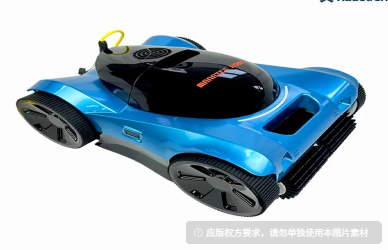
4.Deep Cleaning and Monthly Maintenance
In addition to regular cleaning, a robotic pool cleaner should be inspected more carefully once a month. Deep cleaning helps maintain performance and prevents long-term damage.
Check the Impeller
The impeller is inside the cleaner and helps move water through the filter. Small debris may get stuck inside and reduce suction. Remove the cover if possible and rinse the area with clean water.
Clean the Inside Housing
If dirt collects inside the cleaner, it can affect movement and balance. Carefully rinse the inside area without using chemicals. Always follow the manufacturer’s instructions when opening the cleaner.
Inspect Seals and Connections
Rubber seals keep water away from electrical parts. Check for cracks or damage. If a seal looks worn, it should be replaced to keep the robotic pool cleaner safe.
Replace Worn Parts
Brushes, filters, and tracks may wear out after long use. Replacing these parts when needed helps maintain good cleaning performance and prevents damage to the motor.
5.Common Mistakes When Cleaning a Robotic Pool Cleaner
Many users damage their robotic pool cleaner by cleaning it incorrectly. Avoiding these mistakes will help the machine last longer.
Using High-Pressure Water
Strong water pressure can force water into sealed components. Always rinse the cleaner gently instead of using a pressure washer.
Using Chemicals or Soap
Soap and cleaning chemicals can damage plastic parts and filters. Clean water is usually enough to remove dirt from a robotic pool cleaner.
Pulling the Cleaner by the Cable
The cable is not designed to carry the weight of the machine. Always lift the cleaner using the handle. Pulling the cable may damage the electrical connection.
Not Cleaning the Filter
A clogged filter reduces suction and makes the robotic pool cleaner work harder. Always clean the filter after each cycle.
Leaving the Cleaner in the Sun
Long exposure to sunlight can damage plastic parts and cables. After cleaning, store the robotic pool cleaner in a shaded and dry place.
6.Storage Tips After Cleaning
Proper storage is an important part of maintaining a robotic pool cleaner. After cleaning the machine, it should be stored correctly to avoid damage.
Keep the Cleaner Dry
After rinsing, allow the robotic pool cleaner to dry before storing it. Moisture inside the machine can cause corrosion over time.
Store in a Cool and Shaded Area
Heat and sunlight can weaken plastic parts and cables. Keep the cleaner in a shaded location away from direct sun.
Avoid Leaving the Cleaner in the Pool
Leaving the robotic pool cleaner in the water for long periods may damage seals and cables. It is better to remove the cleaner after each cleaning cycle.
Use Proper Storage Position
Storage Tip | Reason |
Store in shade | Protects plastic parts |
Keep cable straight | Prevents damage |
Dry before storage | Avoids corrosion |
Remove from pool | Extends lifespan |
FAQ
1. Can I clean my robotic pool cleaner with a garden hose?
Yes, a garden hose with normal water pressure is recommended for cleaning the filter, brushes, and body of a robotic pool cleaner. Avoid high-pressure washers.
2. Why does my robotic pool cleaner lose suction?
Loss of suction usually happens when the filter is full or the impeller is blocked. Cleaning the filter and checking for debris will normally fix the problem.
3. How long do robotic pool cleaner filters last?
Filters can last several months to a year depending on use. They should be replaced when damaged or when cleaning performance becomes weaker.
4. Should I clean the robotic pool cleaner after every use?
Yes, cleaning the filter after every cycle is recommended to keep the robotic pool cleaner working efficiently and to prevent clogging.
Conclusion
Keeping a robotic pool cleaner clean is essential for maintaining strong performance and long service life. Regularly washing the filter, brushes, and outer body helps prevent clogging, improves suction power, and protects internal parts from damage. Simple maintenance after each cleaning cycle, along with deeper inspection once a month, can keep the robotic pool cleaner working efficiently in both residential and commercial pools. By following proper cleaning and storage steps, pool owners can reduce repair costs, improve water quality, and ensure the cleaner continues to operate safely and reliably for many years.