


A robotic pool cleaner is an automatic device designed to clean swimming pools without manual effort. Unlike traditional cleaning methods that depend on the pool pump or require manual vacuuming, a robotic pool cleaner works independently using its own motor, filter, and navigation system. After being placed in the water, the cleaner moves across the pool floor, climbs walls, scrubs surfaces, and collects debris automatically. Automatic pool cleaning has become popular for both residential and commercial pools because it saves time, reduces maintenance work, and helps keep the water clean and hygienic. Many pool owners want to know how a robotic pool cleaner works, especially since it operates underwater while connected to a power supply. Modern robotic pool cleaner designs use low-voltage systems, built-in pumps, smart sensors, and programmed navigation to provide safe and efficient cleaning without relying on the pool’s filtration system. Understanding how a robotic pool cleaner works helps users choose the right model and achieve better cleaning performance.
1.Main Components of a Robotic Pool Cleaner
A robotic pool cleaner works through several internal components that allow it to move, scrub, filter, and navigate the pool. Each part plays an important role in the cleaning process.
Motor and Drive System
The motor is the core of a robotic pool cleaner. It powers the wheels or tracks that allow the cleaner to move across the pool floor and climb walls. Most modern robotic pool cleaners use high-efficiency electric motors designed to operate underwater with low power consumption while still providing strong traction and stable movement.
Pump and Suction System
Inside the robotic pool cleaner is a small pump that pulls water into the machine. As the water enters, debris such as leaves, sand, insects, and algae are trapped in the internal filter. The cleaned water is then released back into the pool. Because the cleaner has its own pump, it does not rely on the pool’s circulation system.
Filter Basket or Cartridge
The filter system collects debris during the cleaning cycle. Different models may use filter bags, cartridges, or baskets depending on the design. Fine filters can capture very small particles, helping improve water clarity and reduce the load on the pool’s main filter.
Brushes and Scrubbing System
Robotic pool cleaners usually include rotating brushes that scrub the pool surface while the cleaner moves. These brushes help remove dirt stuck to the floor, walls, and waterline, making the cleaning process more effective than simple suction.
Power Supply and Cable or Battery
Most robotic pool cleaners use a low-voltage power supply connected to an external control box. The control box converts standard electricity into safe low voltage for underwater operation. Some newer models use rechargeable batteries instead of cables, but both systems are designed to provide safe and stable performance.
Main Components Overview
Component | Function | Importance |
Motor | Drives wheels or tracks | Enables movement |
Pump | Pulls water and debris | Provides suction |
Filter | Collects dirt and particles | Keeps water clean |
Brushes | Scrub surfaces | Removes stuck debris |
Power Supply | Provides safe electricity | Ensures operation |
Sensors | Control navigation | Improves efficiency |
2.How the Robotic Pool Cleaner Moves
The movement system allows the robotic pool cleaner to travel around the pool automatically and reach all surfaces without manual control.
Wheels or Tracks
Most robotic pool cleaners use wheels or rubber tracks to move underwater. These provide strong grip on different pool surfaces such as tile, vinyl, fiberglass, or concrete. Tracks are often used in high-end models because they provide better traction when climbing walls.
Wall Climbing Ability
Modern robotic pool cleaners are designed to climb walls using powerful motors and angled drive systems. When the cleaner reaches the wall, it changes direction and moves upward to clean the vertical surface. Some models can even reach the waterline, where oil and dirt often collect.
Automatic Direction Change
The robotic pool cleaner changes direction automatically when it reaches a wall or obstacle. This allows the machine to continue cleaning without getting stuck. The internal control system ensures the cleaner keeps moving until the entire pool is covered.
Because of this automatic movement system, a robotic pool cleaner can clean the pool floor, walls, and waterline without any manual guidance.
3.How the Cleaning System Works
The cleaning system inside a robotic pool cleaner combines suction, filtration, and scrubbing to remove debris from the pool.
Water Intake and Suction
When the robotic pool cleaner is running, the internal pump pulls water into the unit. This suction lifts dirt, leaves, sand, and algae from the pool surface. The suction power is strong enough to collect both large and small debris.
Internal Filtration
After the water enters the cleaner, debris is trapped inside the filter basket or cartridge. The filter keeps dirt inside the machine while clean water flows back into the pool. Because the robotic pool cleaner has its own filter, it reduces the workload on the pool’s main filtration system.
Scrubbing Action
While the cleaner moves, rotating brushes scrub the pool surface. This helps remove dirt that cannot be removed by suction alone. Scrubbing is especially useful for cleaning algae and dirt from walls and waterlines.
Independent Operation
Unlike suction cleaners, a robotic pool cleaner does not need to connect to the pool pump. This independent operation makes the cleaning process more efficient and helps extend the life of the pool equipment.
4.Power Supply and Safety System
Safety is an important part of how a robotic pool cleaner works, especially because it operates underwater.
Low-Voltage Power
Most robotic pool cleaners use a transformer to convert standard electricity into low voltage. This makes the cleaner safe to use in water and reduces the risk of electrical shock.
External Control Box
The power supply is usually placed outside the pool. The cleaner connects to the control box through a floating cable. This design keeps the electrical components away from water while still providing enough power for the cleaner to operate.
Waterproof Construction
All internal parts of a robotic pool cleaner are sealed to prevent water from reaching the electrical components. Waterproof motors, insulated wires, and sealed housings allow the cleaner to work safely underwater for long periods.
Automatic Shut-Off Protection
Many robotic pool cleaners include safety features that stop the machine if it overheats or leaves the water. This protects both the user and the equipment.
5.Smart Navigation and Sensors
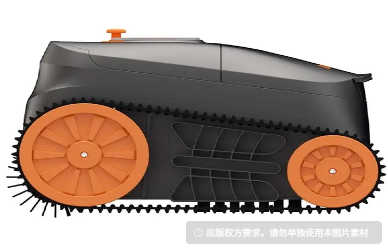
Modern robotic pool cleaner models use smart technology to move efficiently and avoid missing areas during the cleaning cycle. Instead of relying on simple random movement, advanced cleaners include navigation programs, sensors, and internal control systems that help the machine understand the pool layout and adjust its path automatically. This intelligent operation improves cleaning performance and reduces the time needed to finish the job.
Route Control
Instead of moving randomly, many robotic pool cleaners follow programmed cleaning paths controlled by an internal microchip. The system calculates movement patterns and decides where the cleaner should go next in order to cover the entire pool. By following a planned route, the robotic pool cleaner can avoid unnecessary repetition and complete the cleaning cycle faster and more efficiently, especially in medium and large pools.
Wall and Obstacle Detection
Built-in sensors help the robotic pool cleaner detect walls, steps, ladders, drains, and other obstacles inside the pool. When the cleaner reaches an object, the sensor sends a signal to the control system, allowing the machine to change direction automatically. This prevents the cleaner from getting stuck and ensures continuous operation. Obstacle detection is especially important in pools with complex shapes or additional equipment installed.
Position and Tilt Sensors
Tilt and position sensors allow the robotic pool cleaner to understand its angle while moving underwater. These sensors help the cleaner stay balanced when climbing walls, turning at the bottom, or moving across sloped surfaces. By constantly monitoring its position, the cleaner can maintain stable traction and avoid slipping, which improves both safety and cleaning efficiency. This feature is commonly found in modern robotic pool cleaner designs.
Full Pool Coverage
With smart navigation technology, the robotic pool cleaner can clean the entire pool more quickly and accurately than models that move randomly. The combination of route control, sensors, and automatic direction adjustment helps ensure that the floor, walls, and waterline are all cleaned during one cycle. This intelligent system not only improves cleaning results but also reduces energy use and wear on the machine, making robotic pool cleaners a reliable solution for both residential and commercial pools.
6.Types of Robotic Pool Cleaners
Different robotic pool cleaner models use different power systems and features depending on the application.
Type | Power Source | Best For |
Corded robotic pool cleaner | External power supply | Home pools |
Cordless robotic pool cleaner | Rechargeable battery | Small pools |
Commercial robotic pool cleaner | Heavy-duty power system | Hotels & public pools |
Solar pool cleaner | Solar charging | Surface cleaning |
Each type works in a similar way but may include different navigation systems, filters, or cleaning power.
FAQ
1. Do robotic pool cleaners need the pool pump to work?
No, a robotic pool cleaner works independently and has its own motor and filter, so it does not need the pool pump to operate.
2. Can a robotic pool cleaner clean algae?
Yes, most robotic pool cleaners use brushes and strong suction to remove algae from the pool floor and walls.
3. How deep can a robotic pool cleaner work?
Most robotic pool cleaners can work in standard residential and commercial pool depths, but the exact limit depends on the model.
4. Is a robotic pool cleaner better than a suction cleaner?
In many cases, robotic pool cleaners provide better cleaning performance, use less energy, and reduce stress on the pool’s filtration system.
Conclusion
A robotic pool cleaner works by combining motors, pumps, filters, and smart navigation technology to clean swimming pools automatically. The cleaner moves across the pool using wheels or tracks, scrubs surfaces with brushes, and collects debris in its internal filter without using the pool’s main filtration system. Modern robotic pool cleaner designs also include low-voltage power supplies, waterproof construction, and intelligent sensors to ensure safe and efficient operation. Because of these advanced features, robotic pool cleaners have become one of the most reliable solutions for maintaining clean and healthy swimming pools in both residential and commercial environments.