


A robotic pool cleaner is an automatic device designed to clean swimming pools without manual effort. It moves along the pool floor, walls, and waterline to remove dirt, debris, and algae using built-in motors, filters, and smart navigation systems. Because these machines operate underwater and use electricity through a power supply, many pool owners wonder whether it is safe to swim while a robotic pool cleaner is running. This concern is common, especially for families, hotels, and commercial pool operators who want to keep the pool clean without interrupting swimming time. Fortunately, modern robotic pool cleaners are built with advanced safety features such as low-voltage power systems, waterproof components, and automatic shut-off protection, making them very safe when used according to the manufacturer’s instructions.
1.How a Robotic Pool Cleaner Works
Automatic Cleaning System
A robotic pool cleaner is an automatic device that cleans swimming pools without manual effort. It moves along the pool floor, walls, and waterline using built-in motors and brushes to remove dirt, leaves, and algae. The cleaner has its own filtration system, so debris is collected inside the unit instead of using the pool’s pump and filter, making the cleaning process more efficient.
Low-Voltage Power Supply
Most robotic pool cleaners use a low-voltage power supply connected to an external control box or transformer. This system converts household electricity into safe low-voltage current for underwater operation. The cleaner is connected to the power source by an insulated floating cable designed for safe use in water.
Independent from the Pool Filtration System
A robotic pool cleaner works independently from the pool’s filtration system. It does not need to connect to the pool pump or skimmer, because it has its own motor and filter. This reduces the load on pool equipment and helps improve cleaning performance.
Smart Navigation and Safety Sensors
Modern robotic pool cleaners use smart navigation and built-in sensors to move efficiently around the pool. These sensors help detect walls, avoid obstacles, and ensure full coverage. The internal parts are waterproof and fully sealed, allowing safe and reliable underwater operation.
2.Is It Safe to Swim with a Robotic Pool Cleaner in the Pool?
Usually Safe, but Not Recommended
In most cases, it is generally safe to swim with a robotic pool cleaner in the pool, because modern cleaners are designed with low-voltage power systems and waterproof components. However, manufacturers usually do not recommend swimming while the robotic pool cleaner is operating. For the best safety and performance, most user manuals suggest removing the cleaner before entering the pool.
Safety Depends on Model and Manufacturer
Different robotic pool cleaner models may have different safety designs, so the level of safety can vary depending on the manufacturer. High-quality cleaners are built with insulated cables, sealed motors, and automatic shut-off protection, but users should always follow the instructions provided for the specific model being used.
Electrical Safety Considerations
Although robotic pool cleaners use low voltage, the unit is still connected to an external power supply. To avoid any electrical risk, it is safer not to swim while the cleaner is plugged in and running, especially in commercial or public pools where safety rules are stricter.
Moving Parts and Cable Hazards
A robotic pool cleaner moves around the pool using brushes, wheels, and suction, which may create minor risks if someone swims too close to the device. In addition, the floating cable connected to the power supply can become a tripping or tangling hazard, particularly for children or active swimmers.
Reduced Cleaning Performance
Swimming while the robotic pool cleaner is working can also affect cleaning efficiency. Movement in the water may interrupt the cleaner’s navigation system and prevent it from covering the entire pool. For this reason, running the robotic pool cleaner when the pool is empty is usually the best practice.
3.Safety Features of Modern Robotic Pool Cleaners
Low-Voltage Operation
Modern robotic pool cleaners are designed to operate with a low-voltage power supply, which greatly reduces the risk of electrical shock. The external control box converts standard household electricity into safe low-voltage current, making the cleaner suitable for underwater use in residential and commercial pools.
Waterproof Motors and Sealed Components
High-quality robotic pool cleaners are built with waterproof motors and fully sealed internal components. This design allows the cleaner to work underwater for long periods without damage while maintaining safe and stable performance. The sealed structure also protects the electrical parts from water exposure.
Automatic Shut-Off Protection
Many robotic pool cleaners include automatic shut-off protection to improve safety. If the cleaner is removed from the water, overheats, or detects an abnormal condition, the system can stop running automatically. This feature helps prevent damage to the machine and reduces potential safety risks.
Anti-Tangle Floating Cables
Most robotic pool cleaners use floating cables with anti-tangle design. These cables are insulated and made for underwater environments, reducing the chance of twisting, knotting, or creating hazards in the pool. This is especially important for larger pools and commercial use.
Smart Obstacle Detection
Modern robotic pool cleaners are equipped with smart sensors that detect walls, steps, and obstacles. This allows the cleaner to change direction automatically and avoid getting stuck. Intelligent navigation not only improves cleaning efficiency but also helps ensure safe operation around swimmers and pool structures.
Commercial-Grade Safety Design
Commercial-grade robotic pool cleaners are built with higher safety standards for hotels, gyms, and public swimming pools. These models usually include stronger insulation, more durable cables, and advanced control systems to ensure reliable and safe operation during frequent use.
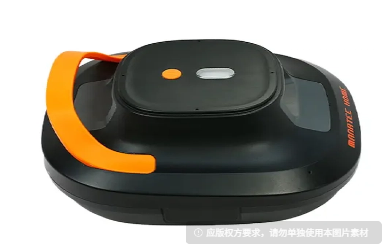
4.When You Should NOT Swim with a Robotic Pool Cleaner
During the Cleaning Operation Cycle
You should avoid swimming while the robotic pool cleaner is running. During the cleaning cycle, the device moves around the pool floor, walls, and waterline, which may interfere with swimmers and affect the cleaner’s performance. Running the cleaner when the pool is empty is the safest option.
When the Cable Is in the Pool
Most robotic pool cleaners are connected to a floating power cable. When the cable is in the water, it may create a tripping or tangling hazard, especially for children or active swimmers. To prevent accidents, it is recommended to remove the cleaner and cable before entering the pool.
When the Cleaner Is Climbing Walls
Robotic pool cleaners often climb walls and clean the waterline using strong motors and brushes. Swimming near the cleaner while it is climbing can cause accidental contact with moving parts, which may lead to minor injuries or damage to the device.
During Maintenance or Removal
Never swim in the pool while the robotic pool cleaner is being installed, removed, or cleaned. Maintenance activities usually involve handling the power supply, cable, or filter basket, and keeping the pool clear during this time helps ensure safety.
When Children Are in the Pool
Extra caution should be taken when children are swimming. Kids may play near the cleaner or pull on the cable, which can create unnecessary risk. For safety, it is best to turn off and remove the robotic pool cleaner before allowing children to use the pool.
5.Best Practice for Safe Pool Cleaning
Run the Cleaner When the Pool Is Empty
For the safest and most efficient results, it is recommended to operate the robotic pool cleaner when no one is swimming. This allows the cleaner to move freely around the pool and complete the cleaning cycle without interruption, while also reducing any potential safety risks.
Remove the Cleaner Before Swimming
Before entering the pool, always turn off the robotic pool cleaner and remove it from the water. Taking the cleaner out after each cycle not only improves safety but also helps extend the lifespan of the device and keeps the pool area clear for swimmers.
Store the Power Supply Away from Water
The power supply unit should always be placed in a dry and stable location away from the pool edge. Keeping the control box away from water prevents electrical hazards and ensures the robotic pool cleaner operates under safe conditions.
Follow Manufacturer Instructions
Every robotic pool cleaner may have different operating requirements, so it is important to read and follow the manufacturer’s instructions carefully. Proper installation, correct voltage use, and regular maintenance all help ensure safe and reliable performance.
Use a Certified and Reliable Robotic Pool Cleaner
Choosing a certified robotic pool cleaner from a professional manufacturer helps ensure higher safety standards and better durability. Reliable brands focus on low-voltage design, waterproof construction, and intelligent safety features, providing safe and efficient pool cleaning solutions for both residential and commercial use.
FAQ
1. Can you swim while a robotic pool cleaner is running?
It is usually safe, but most manufacturers recommend not swimming while the robotic pool cleaner is operating to avoid cables, moving parts, and safety risks.
2. Are robotic pool cleaners safe in saltwater pools?
Yes, most robotic pool cleaners are designed for both saltwater and freshwater pools, but always check the product specifications before use.
3. Do robotic pool cleaners use electricity in the water?
Robotic pool cleaners use low-voltage power supplied through a transformer, making them safe for underwater operation when used correctly.
4. Should I remove the robotic pool cleaner after cleaning?
Yes, removing the robotic pool cleaner after each cleaning cycle helps extend its lifespan and keeps the pool safe for swimming.
Conclusion
Robotic pool cleaners are designed with advanced safety features such as low-voltage power systems, waterproof components, and automatic protection functions, making them safe for normal use in both residential and commercial swimming pools. However, even though these devices are built for underwater operation, the best practice is to avoid swimming while the robotic pool cleaner is running. Removing the cleaner before entering the pool helps prevent cable hazards, accidental contact with moving parts, and unnecessary electrical risks. By following the manufacturer’s instructions and using the cleaner correctly, pool owners can ensure a safer swimming environment while also extending the lifespan and performance of the robotic pool cleaner.