


A robotic pool cleaner is an automatic device designed to clean swimming pools without manual effort. It can move across the pool floor, climb walls, and clean the waterline using built-in motors, brushes, and filters. Because the cleaner works on its own without being guided by a person, many pool owners wonder how a robotic pool cleaner knows where to go and how it manages to clean the entire pool. Modern robotic pool cleaner designs use smart navigation technology, sensors, and programmed algorithms to control movement, allowing the machine to detect the pool shape, avoid obstacles, and cover the pool efficiently without manual control.
1.Basic Movement System of a Robotic Pool Cleaner
Built-in Motor and Drive System
A robotic pool cleaner moves using built-in electric motors that power its wheels or tracks. These motors allow the cleaner to travel across the pool floor and climb walls with enough traction to stay stable underwater. The drive system is designed to work in different pool surfaces such as tile, vinyl, or concrete.
Pre-Programmed Cleaning Patterns
Most robotic pool cleaners follow pre-programmed cleaning patterns controlled by an internal chip. Instead of moving completely at random, the cleaner changes direction at set intervals or when it detects a wall. This programmed movement helps the robotic pool cleaner cover the entire pool over time.
Designed to Clean Floor, Walls, and Waterline
Modern robotic pool cleaners are designed to clean more than just the bottom of the pool. With strong motors and adjustable movement angles, the cleaner can climb walls and reach the waterline where dirt and oil often collect. This multi-directional movement system allows the robotic pool cleaner to provide full-pool cleaning without manual control.
2.Smart Navigation Technology
Built-in Gyroscope and Smart Chip
Modern robotic pool cleaners use built-in gyroscopes, smart chips, and control systems to monitor their movement underwater. These components help the cleaner understand its position, maintain balance, and change direction at the right time. With this technology, the robotic pool cleaner can move in a controlled way instead of wandering randomly.
Route Planning System
Many advanced robotic pool cleaners include route planning programs that guide the cleaner through the pool in an organized pattern. The system calculates how far the cleaner has traveled and adjusts the path to reach areas that have not been cleaned yet. This improves efficiency and reduces unnecessary movement.
Full Pool Coverage
Smart navigation allows the robotic pool cleaner to cover the entire pool, including the floor, walls, and waterline. By using programmed logic and sensors, the cleaner can make sure no area is missed, even in pools with unusual shapes or slopes.
Less Random Movement in Modern Models
Older or basic cleaners often move in random directions, which can take more time to finish cleaning. Modern robotic pool cleaner designs use intelligent navigation technology to avoid excessive repetition, making the cleaning cycle faster, more accurate, and more energy efficient.
3.Sensors That Help the Robot Know Where to Go
Wall Detection Sensors
Robotic pool cleaners are equipped with wall detection sensors that allow the machine to recognize when it reaches the edge of the pool. When the cleaner touches a wall, the sensor signals the control system to change direction or start climbing. This automatic response helps the robotic pool cleaner continue cleaning without stopping and ensures it can move smoothly around the entire pool. Wall detection is essential for maintaining an efficient cleaning path.
Waterline Detection
Many modern robotic pool cleaners include waterline detection technology. These sensors help the cleaner recognize when it has reached the top of the pool wall and needs to adjust its angle to clean the waterline area. The waterline often collects oil, dust, and other floating debris, so this feature allows the robotic pool cleaner to provide more complete and professional cleaning results.
Obstacle Detection
Obstacle detection sensors help the robotic pool cleaner avoid getting stuck during operation. When the cleaner detects objects such as ladders, drains, steps, or pool lights, it automatically changes direction to continue cleaning. This prevents interruptions in the cleaning cycle and reduces the risk of damage to both the cleaner and the pool. It also allows the robotic pool cleaner to work efficiently in pools with complex shapes.
Tilt and Position Sensors
Tilt and position sensors allow the robotic pool cleaner to understand its angle and location while moving underwater. These sensors help the cleaner stay balanced when climbing walls, moving across slopes, or turning around at the bottom of the pool. By constantly monitoring its position, the robotic pool cleaner can maintain stable movement and achieve better coverage without manual control.
4.Pool Mapping and Scanning Technology
Pool Size Scanning
Some advanced robotic pool cleaner models are able to scan the pool size when the cleaning cycle begins. Using built-in sensors and internal programs, the cleaner can estimate the length, width, and shape of the pool. This allows the robotic pool cleaner to adjust its movement pattern instead of using the same route every time.
Adaptive Cleaning Mode
With adaptive cleaning technology, the robotic pool cleaner can change its cleaning path based on the pool layout and the amount of debris detected. If certain areas need more cleaning, the system can automatically spend more time there. This smart adjustment helps improve cleaning efficiency and reduces unnecessary movement.
Memory of Previous Routes
High-end robotic pool cleaners may include memory functions that allow the machine to remember previous cleaning routes. By storing this information, the cleaner can avoid repeating the same path too often and focus on areas that were not fully covered before. This feature is especially useful for large or irregular pools.
Efficient Cleaning for Large Pools
Pool mapping and scanning technology make robotic pool cleaners more effective in large pools. Instead of moving randomly, the cleaner follows a planned route that covers the entire pool step by step. This reduces cleaning time, saves energy, and ensures consistent results in both residential and commercial swimming pools.
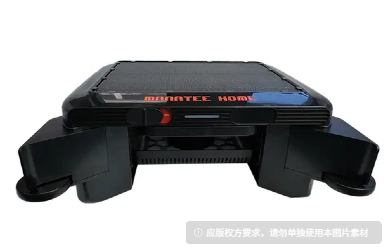
5.Difference Between Random and Smart Robotic Pool Cleaners
Entry-Level Random Movement
Entry-level robotic pool cleaners usually move in random patterns. They change direction when they hit a wall or obstacle, but they do not follow a planned route. This type of movement can still clean the pool, but it may take more time and some areas might be cleaned more than once while others are missed. Random movement systems are common in basic and lower-cost robotic pool cleaner models.
Mid-Level Navigation Logic
Mid-level robotic pool cleaners use simple navigation logic to improve cleaning efficiency. Instead of moving completely randomly, these models follow programmed patterns and adjust their direction based on sensor feedback. This allows the robotic pool cleaner to cover the pool more evenly and finish the cleaning cycle faster than entry-level models.
High-End Intelligent Mapping
High-end robotic pool cleaners use intelligent mapping and advanced navigation technology. These models can scan the pool, calculate the best cleaning route, and track the areas that have already been cleaned. With smart mapping, the robotic pool cleaner can avoid unnecessary movement and provide more accurate and consistent cleaning results, especially in large or complex pools.
Commercial Robotic Pool Cleaner Systems
Commercial robotic pool cleaner systems are designed for large swimming pools, hotels, water parks, and public facilities. These models usually include powerful motors, advanced sensors, and professional navigation systems that allow long operating times and full pool coverage. Compared with basic models, commercial robotic pool cleaners focus on durability, efficiency, and reliable performance in heavy-duty cleaning environments.
 6.Why Smart Navigation Improves Cleaning Performance
Less Cleaning Time
Smart navigation allows a robotic pool cleaner to follow a planned route instead of moving randomly. By using sensors and internal algorithms, the cleaner can choose the most efficient path to cover the entire pool. This reduces the time needed to complete a cleaning cycle and makes the process faster, especially for medium and large pools.
Better Coverage
With intelligent navigation, the robotic pool cleaner can track where it has already cleaned and where it still needs to go. This helps prevent missed spots and reduces repeated cleaning in the same area. As a result, the cleaner can achieve more complete coverage of the pool floor, walls, and waterline.
Lower Energy Use
Because the robotic pool cleaner moves more efficiently, it uses less power during each cleaning cycle. Smart route planning reduces unnecessary movement, which helps save energy and lowers operating costs. This is particularly important for commercial pools where the cleaner runs frequently.
Less Wear on the Machine
Efficient navigation also reduces strain on the cleaner’s motor, tracks, and brushes. When the robotic pool cleaner avoids excessive turning and repeated movement, the internal parts experience less wear. This helps extend the lifespan of the machine and keeps performance stable over time.
FAQ
1. Do robotic pool cleaners clean the whole pool automatically?
Yes, most robotic pool cleaners are designed to cover the entire pool, including the floor, walls, and waterline, using programmed navigation and sensors.
2. Why does my robotic pool cleaner change direction often?
The cleaner changes direction when its sensors detect walls, obstacles, or the end of a cleaning path, which helps ensure full coverage of the pool.
3. Can a robotic pool cleaner work in any pool shape?
Most robotic pool cleaners can work in different pool shapes, including round, oval, and irregular pools, thanks to adaptive navigation systems.
4. Do expensive robotic pool cleaners clean better?
Higher-end robotic pool cleaners usually have smarter navigation, better sensors, and faster cleaning cycles, which can improve overall performance.
Conclusion
A robotic pool cleaner does not move randomly as many people think. Modern models use a combination of sensors, internal algorithms, and smart navigation technology to control their movement and ensure the entire pool is cleaned efficiently. By detecting walls, obstacles, and pool shape, the robotic pool cleaner can plan its route, adjust direction automatically, and avoid missing areas. These intelligent features make today’s robotic pool cleaners more reliable, energy-efficient, and effective, which is especially important for both residential pools and large commercial swimming pools that require consistent and thorough cleaning.