


A robotic pool cleaner is an automatic device designed to clean swimming pools without manual effort. Instead of using the pool’s pump or requiring a person to vacuum the pool by hand, a robotic pool cleaner works independently with its own motor, filter, and navigation system. Once placed in the water, the machine can move across the pool floor, climb the walls, scrub surfaces, and collect debris automatically. Because of this self-contained design, robotic pool cleaners have become one of the most popular solutions for modern pool maintenance.
Automatic pool cleaning is increasingly common in both residential and commercial swimming pools. Pool owners want equipment that saves time, improves water quality, and reduces maintenance work. A robotic pool cleaner provides these advantages by combining strong suction, rotating brushes, and smart navigation technology in one compact machine. Unlike traditional cleaning methods, it does not rely on the pool’s filtration system, which makes it more efficient and easier to use. Understanding what a robotic pool cleaner is and how it works can help users choose the right equipment and keep their pool clean with less effort.
1.What Is a Robotic Pool Cleaner
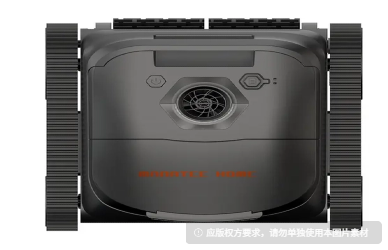
A robotic pool cleaner is a self-powered cleaning machine that automatically removes dirt, leaves, sand, and algae from swimming pools. It is designed to operate underwater using a low-voltage power supply or battery, and it performs cleaning tasks without needing to connect to the pool’s pump or skimmer.
Automatic Pool Cleaning Machine
A robotic pool cleaner is built to perform the entire cleaning process on its own. After placing the unit in the pool and starting the cleaning cycle, the machine moves around the pool following programmed patterns. It scrubs surfaces, collects debris, and filters the water before returning clean water to the pool. Because the system is automatic, pool owners do not need to guide the cleaner manually.
Independent Operation
One of the main features of a robotic pool cleaner is that it works independently. Traditional suction cleaners depend on the pool pump, but robotic cleaners have their own motor and pump. This independent operation allows the cleaner to work more efficiently and reduces stress on the pool’s filtration system.
Designed for Floor, Wall, and Waterline Cleaning
Modern robotic pool cleaners are designed to clean all parts of the pool, including the floor, walls, and waterline. Strong motors and special drive systems allow the cleaner to climb vertical surfaces and scrub areas where dirt often collects. This full-coverage cleaning makes robotic pool cleaners suitable for both home pools and commercial pools.
2.Main Parts of a Robotic Pool Cleaner
A robotic pool cleaner includes several important components that work together to provide automatic cleaning. Each part has a specific function that helps the machine move, scrub, and collect debris.
Motor and Drive System
The motor powers the wheels or tracks that allow the robotic pool cleaner to move underwater. High-quality motors are designed to operate efficiently while using low power. The drive system gives the cleaner enough traction to move across different pool surfaces.
Pump and Suction System
Inside the cleaner is a pump that pulls water into the machine. The pump creates suction, allowing the cleaner to pick up dirt, leaves, and small particles from the pool surface. This system works independently from the pool pump.
Filter Basket or Cartridge
The filter collects debris during the cleaning cycle. Depending on the model, the robotic pool cleaner may use a filter bag, cartridge, or basket. Fine filters help capture small particles and improve water clarity.
Brushes and Scrubbing Rollers
Rotating brushes scrub the pool surface while the cleaner moves. This helps remove dirt that cannot be removed by suction alone. Brushes also improve cleaning performance on walls and waterlines.
Power Supply and Cable or Battery
Most robotic pool cleaners use a low-voltage power supply connected to an external control box. Some newer models use rechargeable batteries. Both systems are designed for safe underwater operation.
Sensors and Navigation System
Sensors help the robotic pool cleaner detect walls, obstacles, and pool shape. This allows the machine to change direction automatically and clean the entire pool efficiently.
Main Parts Overview
Part | Function | Purpose |
Motor | Drives wheels or tracks | Movement |
Pump | Pulls water and debris | Suction |
Filter | Collects dirt | Water cleaning |
Brushes | Scrub surfaces | Remove algae & dirt |
Power supply | Provides electricity | Safe operation |
Sensors | Control movement | Smart navigation |
3.How a Robotic Pool Cleaner Is Different from Other Pool Cleaners
Not all pool cleaners work the same way. A robotic pool cleaner is different from manual, suction, and pressure cleaners in several important ways.
Manual Pool Cleaning
Manual cleaning requires a person to use a vacuum or brush to clean the pool. This takes time and effort, and the results depend on how carefully the job is done. A robotic pool cleaner performs the same task automatically without manual work.
Suction Pool Cleaners
Suction cleaners connect to the pool’s filtration system and use the pool pump to create suction. This can reduce pump efficiency and increase energy use. A robotic pool cleaner has its own pump, so it does not depend on the pool equipment.
Pressure Pool Cleaners
Pressure cleaners use water pressure from the pool pump to move around the pool. They may require extra equipment and can increase maintenance costs. Robotic pool cleaners are self-contained and easier to operate.
Comparison Table
Cleaner Type | Uses Pool Pump | Automatic | Energy Efficient | Cleaning Performance |
Manual cleaner | No | No | Low | Depends on user |
Suction cleaner | Yes | Yes | Medium | Good |
Pressure cleaner | Yes | Yes | Medium | Good |
Robotic pool cleaner | No | Yes | High | Excellent |
4.Types of Robotic Pool Cleaners
There are several types of robotic pool cleaners designed for different pool sizes and cleaning needs.
Corded Robotic Pool Cleaner
Corded models use a low-voltage cable connected to a control box. These cleaners can run for long periods and are common for residential pools.
Cordless Robotic Pool Cleaner
Cordless cleaners use rechargeable batteries. They are easy to use because there is no cable, but they usually have shorter cleaning cycles.
Commercial Robotic Pool Cleaner
Commercial models are designed for large pools such as hotels, gyms, and public facilities. They have stronger motors and larger filters for heavy-duty cleaning.
Surface Robotic Cleaner
Some robotic cleaners are designed to clean only the water surface. These models collect floating leaves and debris before they sink.
5.Where Robotic Pool Cleaners Are Used
Robotic pool cleaners are used in many different environments because they provide reliable, automatic, and efficient cleaning. Thanks to their independent operation, strong suction, and smart navigation systems, a robotic pool cleaner can maintain water quality with less manual work. These machines are suitable for both small private pools and large commercial facilities, making them one of the most versatile pool cleaning solutions available today.
Residential Pools
Home pool owners often use robotic pool cleaners to reduce the time and effort needed for maintenance. Instead of vacuuming the pool manually, the cleaner can be placed in the water and allowed to run automatically. This helps keep the pool floor, walls, and waterline clean with minimal supervision. For families who use their pool frequently, a robotic pool cleaner makes it easier to maintain clear water and a safe swimming environment without spending hours on cleaning.
Hotel and Resort Pools
Hotels and resorts must keep their pools clean at all times to provide a good experience for guests. Because these pools are used daily, they require regular and reliable cleaning. Robotic pool cleaners help hotel staff reduce manual labor while maintaining consistent water quality. With automatic operation and strong filtering ability, the cleaner can remove dirt, leaves, and small particles quickly, keeping the pool ready for use throughout the day.
Spa and Fitness Pools
Spas, wellness centers, and fitness clubs require very clean water to meet health and safety standards. In these environments, hygiene is extremely important because many people use the pool every day. A robotic pool cleaner helps maintain clean surfaces and clear water by removing debris before it can affect water quality. Automatic cleaning also reduces the need for frequent manual maintenance, which makes it easier to keep the pool in good condition.
Public Swimming Pools and Water Parks
Large public swimming pools and water parks need powerful and durable cleaning equipment because of heavy daily use. Commercial robotic pool cleaners are designed for these environments, with stronger motors, larger filters, and longer operating times. These machines can clean large areas efficiently and handle high levels of debris without losing performance. Using a robotic pool cleaner in public pools helps maintain safety, improves water clarity, and reduces maintenance costs over time.
FAQ
1. How long does a robotic pool cleaner last?
Most robotic pool cleaners can last several years if they are cleaned regularly and used according to the manufacturer’s instructions.
2. Can a robotic pool cleaner clean large pools?
Yes, commercial robotic pool cleaners are designed for large pools and can run longer cleaning cycles with stronger suction.
3. Do robotic pool cleaners work in cold water?
Most robotic pool cleaners can work in normal pool temperatures, but very cold water may reduce battery performance in cordless models.
4. Is a robotic pool cleaner worth buying?
For many pool owners, a robotic pool cleaner is worth buying because it saves time, improves cleaning quality, and reduces long-term maintenance work.
 Conclusion
A robotic pool cleaner is a smart and efficient machine designed to keep swimming pools clean with minimal effort. By using its own motor, pump, filter, and navigation system, the cleaner can move around the pool automatically and remove dirt from the floor, walls, and waterline. Unlike traditional cleaning methods, a robotic pool cleaner works independently from the pool’s filtration system, making it more energy-efficient and easier to use. With different types available for residential and commercial pools, robotic pool cleaners have become one of the most reliable solutions for modern pool maintenance. Choosing the right model and using it correctly can help keep the pool clean, safe, and ready for use at all times.