


Introduction
Are you tired of spending hours maintaining your pool? A robotic pool cleaner could be the solution you've been looking for. These innovative devices offer automated, hands-free cleaning, saving you valuable time and effort. Whether your pool is small and above-ground or large and in-ground, a robotic pool cleaner can ensure your pool remains spotless with minimal work.
In this guide, we will cover the key factors to consider when choosing a robotic pool cleaner. From pool size to cleaning efficiency, you’ll gain a clear understanding of how to select the best cleaner for your needs and get the most value from your investment.
Understanding Robotic Pool Cleaners
What is a Robotic Pool Cleaner?
A robotic pool cleaner is an automated device designed to clean your pool without human intervention. These cleaners operate independently of your pool’s filtration system, using their own motors to move around and remove debris from the pool floor, walls, and waterline. They are a significant step up from traditional pool cleaners, which rely on suction or pressure to collect debris. Robotic cleaners are designed to offer more precise and efficient cleaning, ensuring that no areas are left uncleaned.
Unlike manual cleaning or suction-side cleaners, robotic cleaners offer a more efficient and thorough cleaning experience. They use advanced navigation systems to map the pool's layout, ensuring complete coverage of the pool surface. This means no more missed spots or recurring cleaning tasks! These devices are equipped with filters, brushes, and sensors to remove dirt, algae, and even small particles from the water, making your pool maintenance routine less demanding.
Benefits of Robotic Pool Cleaners
Hands-off Cleaning: Robotic pool cleaners work autonomously, allowing you to relax while they do the cleaning. Set them up, and they’ll handle the rest. You no longer have to spend hours scrubbing your pool’s surfaces or manually vacuuming the bottom.
Energy Efficiency: Compared to traditional pumps or suction cleaners, robotic cleaners consume less power, making them more eco-friendly and cost-effective in the long run. They also don’t rely on the pool’s pump to function, reducing the load on your existing pool equipment.
Better Water Circulation: These cleaners also help circulate the pool water, ensuring even distribution of chemicals and preventing stagnation. This is particularly beneficial for maintaining the overall health of your pool, as better circulation helps prevent the growth of algae and the accumulation of debris.
If you want to save time and energy, investing in a robotic pool cleaner is a smart decision. They not only clean your pool but also optimize water circulation and chemical distribution, reducing the need for frequent chemical treatments.
Key Factors to Consider When Choosing a Robotic Pool Cleaner
Pool Size and Shape
When selecting a robotic pool cleaner, the size and shape of your pool play a crucial role in ensuring you pick the right model. Some cleaners are designed specifically for smaller pools, while others are built to handle large, complex inground pools. It’s important to select a robotic cleaner that is capable of covering the full surface area of your pool without leaving gaps in coverage.
Small Pools: If you have a compact pool, a smaller, more affordable robotic cleaner may suffice. These models are lightweight, easy to store, and efficient for cleaning smaller spaces. They are perfect for above-ground pools or smaller in-ground pools that don’t have intricate shapes or excessive debris.
Large Pools: Larger pools may require a more powerful cleaner capable of covering more surface area. High-performance models are designed to handle the extra work of cleaning large spaces, often with advanced mapping technology to navigate efficiently. They are also equipped with stronger motors and larger debris baskets to handle more demanding cleaning tasks.
Always match the cleaner to your pool's dimensions to ensure it provides optimal coverage. Choosing a cleaner that’s too small or underpowered for your pool will lead to inefficient cleaning and potential damage to the unit, while opting for a model that’s too large could be an unnecessary expense.
| Pool Size | Recommended Cleaner Type | Key Features |
|---|---|---|
| Small Pool (Up to 15ft) | Compact Robotic Cleaner | Lightweight, Affordable, Quick Cleaning |
| Medium Pool (15ft - 30ft) | Mid-range Robotic Cleaner | Stronger Suction, Efficient Coverage |
| Large Pool (Above 30ft) | High-performance Robotic Cleaner | Advanced Navigation, Large Debris Capacity |
Pool Surface Material
Different pool surfaces require different types of cleaning mechanisms. Robotic pool cleaners come with various brushes and scrubbing systems designed to clean specific materials effectively. The surface material of your pool—whether tile, concrete, vinyl, or fiberglass—will determine which type of robotic cleaner is most suitable. Some models come with specialized brushes and filters for specific surfaces, ensuring a more effective cleaning experience.
Tile and Concrete Pools: These surfaces require cleaners with strong scrubbing brushes to remove dirt, algae, and stains from the surface. Concrete surfaces, in particular, may accumulate stubborn stains that require a more aggressive cleaning approach.
Vinyl and Fiberglass Pools: These materials are more delicate and may need softer brushes to avoid damage while still cleaning efficiently. These surfaces are more prone to scratches, so it’s crucial to choose a cleaner that uses gentle scrubbing mechanisms.
Always check that the robotic pool cleaner you choose is equipped with brushes suitable for your pool’s surface. If you have a delicate surface, opting for a cleaner with softer brushes will help prevent scratching and preserve the integrity of your pool.
| Pool Surface | Recommended Brush Type | Features |
|---|---|---|
| Concrete | Strong Scrubbing Brushes | Ideal for tough stains and algae buildup |
| Tile | Soft Brushes | Prevents damage while cleaning joints |
| Vinyl and Fiberglass | Soft or Rubber Brushes | Gentle on surfaces, prevents scratching |
Type of Debris
Pools accumulate a variety of debris types, ranging from large leaves and twigs to fine sand and algae. Understanding the types of debris your pool typically collects is essential for choosing a robotic cleaner with the appropriate filtration system. A model with the right filter and debris-catching capabilities can significantly improve your cleaning efficiency.
Leaves and Twigs: If your pool is surrounded by trees or is used frequently, you’ll need a cleaner with a large debris basket or bag and powerful suction to handle the larger particles. These models are designed to capture larger debris before it settles at the bottom.
Fine Sand and Algae: For pools that collect fine sand or suffer from algae buildup, a robotic cleaner with a fine mesh filter and a strong brush system is necessary. These models excel at trapping smaller debris that may otherwise pass through standard filters.
If your pool has a lot of fine particles or algae, make sure the robotic cleaner has an advanced filtration system to trap these small particles before they settle in the water. A cleaner with fine mesh filters and superior suction power will ensure that your pool remains crystal clear.
| Debris Type | Recommended Filter Type | Key Features |
|---|---|---|
| Large Debris (leaves, twigs) | Large Mesh Filter | Handles big particles, large debris basket |
| Fine Debris (sand, algae) | Fine Mesh Filter | Traps small particles for clear water |
| Mixed Debris | Dual or Multi-stage Filter | Combines large and fine particle filtration |
Features to Look for in a Robotic Pool Cleaner
Cleaning Performance and Coverage
A robotic pool cleaner should be capable of cleaning all areas of your pool, including the floor, walls, and waterline. Advanced models use smart navigation systems that allow the cleaner to map your pool and clean it systematically, ensuring that no areas are missed. The best robotic pool cleaners offer full coverage, making sure that every part of your pool is thoroughly cleaned.
Wall and Waterline Cleaning: Some models are equipped with additional features that allow them to climb walls and clean the waterline, which can be essential for pools with high water levels or tile edges. This feature ensures that the walls and waterline areas—often neglected by traditional pool cleaners—are maintained.
Full Coverage: Look for cleaners that provide 360-degree coverage, ensuring that the entire pool surface is cleaned, including corners and hard-to-reach spots. Advanced cleaners come with navigation systems that enable them to cover every inch of the pool without missing a single spot.
If you want thorough cleaning, choose a model that offers wall and waterline cleaning capabilities. These additional features make a big difference, especially in pools with tile edges or a large surface area.
Filtration System
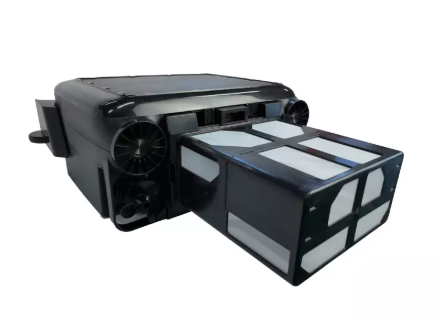
The filtration system of a robotic pool cleaner is one of the most important factors to consider. Cleaners with better filtration systems are more effective at trapping small debris, such as sand, algae, and fine dirt. A good filtration system not only improves the overall cleanliness of your pool but also helps prevent the need for excessive chemical treatments.
Fine Mesh Filters: If your pool collects fine particles, look for a robotic cleaner with fine mesh filters that can trap small debris and prevent it from being released back into the pool. Fine mesh filters are essential for keeping the water clean and clear.
Standard Filters: For pools with larger debris, standard filters are usually sufficient to handle the load, but they may require more frequent cleaning.
Choose a robotic pool cleaner with a filter designed for your pool’s debris type. A fine mesh filter is ideal for fine particles, while a larger filter is better for leaves and twigs. Ensure that the filter is easy to clean and maintain to extend the lifespan of your cleaner.
Programming and Scheduling Options
Many robotic pool cleaners come with programmable timers that allow you to schedule cleaning cycles, which is particularly useful for pool owners with busy schedules. This feature ensures that your pool is cleaned at convenient times, even when you're not around.
Automated Cleaning: Look for cleaners that offer automated cleaning cycles, allowing you to set it up and forget about it. This is especially useful for larger pools that require frequent cleaning.
Scheduling Flexibility: Some models offer the ability to schedule cleaning sessions at specific times, such as early morning or late evening, to avoid interrupting pool use. This scheduling flexibility is a great feature for pool owners who want their pool cleaned at regular intervals without having to manually initiate the cleaning process.
If you prefer a hands-off experience, choose a robotic cleaner with advanced scheduling features. Set it to clean while you’re away or overnight for added convenience.
Battery Life and Runtime
Battery life plays a key role in the efficiency of a robotic pool cleaner. Models with longer battery life can clean your pool in a single cycle without needing a recharge, which is ideal for larger pools. For smaller pools, a shorter runtime may be sufficient, but larger pools require cleaners with more extended runtimes.
Runtime for Small Pools: For smaller pools, a robotic cleaner with a 1.5 to 2-hour runtime is usually sufficient.
Runtime for Large Pools: Larger pools may require cleaners with longer runtimes, typically 2 to 3 hours, or even models that can run multiple cycles to ensure complete cleaning.
Choose a model with battery life that matches the size of your pool. For larger pools, opt for a cleaner with a longer runtime to avoid frequent recharging.
Cost and Maintenance Considerations
Upfront Cost vs. Long-Term Value
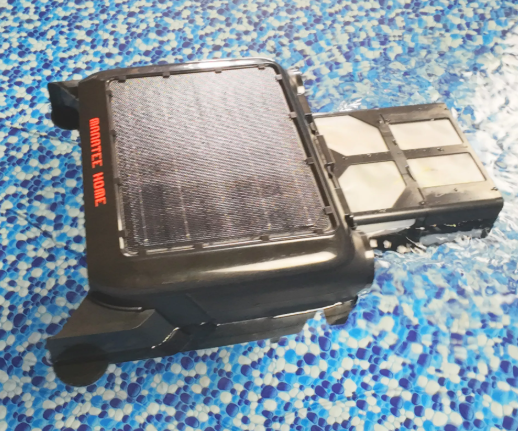
While robotic pool cleaners can have a high upfront cost, they can save you money in the long term by reducing the need for professional cleaning services and lowering energy bills. When evaluating the cost, consider the cleaner’s longevity and how much time and effort it will save you. Many robotic cleaners pay for themselves after a season or two, thanks to their energy efficiency and ability to reduce ongoing maintenance costsThink about the long-term savings when evaluating a robotic pool cleaner. While the initial cost may seem high, it can pay off by saving you time and maintenance costs.
Maintenance Requirements
Regular maintenance is essential for prolonging the life of your robotic pool cleaner. Most models require simple tasks, such as emptying the debris basket and cleaning the filters. By performing these tasks regularly, you can ensure that the cleaner continues to operate efficiently.
Easy Maintenance: Look for cleaners that are easy to maintain, with simple-to-clean filters and debris baskets. This will save you time and effort in the long run.
Replacement Parts: Check if replacement parts, such as brushes and filters, are easy to find and reasonably priced. This will help you avoid unexpected maintenance costs.
Choose a robotic cleaner that offers low-maintenance requirements. Regular cleaning and proper storage can help extend the life of your unit.
| Feature | Budget Model | Mid-range Model | High-end Model |
|---|---|---|---|
| Wall and Waterline Cleaning | No | Yes | Yes |
| Advanced Navigation | No | Yes | Yes |
| Smart Scheduling | No | Yes | Yes |
| Battery Life | 1-2 hours | 2-3 hours | 3+ hours |
Conclusion
Choosing the right robotic pool cleaner requires careful consideration of your pool’s size, shape, surface, and debris. The ideal model will offer efficient cleaning, easy maintenance, and advanced features that make your pool care routine simpler and more effective. By evaluating the long-term value, including energy savings and potential to reduce maintenance costs, you can make an informed decision.
When selecting your cleaner, prioritize cleaning performance and filtration. These features will ensure your pool stays clean and clear year-round with minimal effort.Addotron Robotics offers innovative robotic pool cleaners with advanced features, making pool cleaning easier and more efficient. Their products deliver value through superior filtration and user-friendly operation, saving you both time and energy.
FAQ
Q: What is a robotic pool cleaner?
A: A robotic pool cleaner is an automated device that cleans your pool independently, using its own motor and filtration system to remove debris from the pool floor, walls, and waterline.
Q: How does a robotic pool cleaner work?
A: A robotic pool cleaner moves around your pool using its internal motors, collecting debris while navigating using sensors and advanced mapping technology to ensure thorough cleaning.
Q: What factors should I consider when choosing a robotic pool cleaner?
A: Consider your pool size, surface material, debris type, and desired features such as filtration capacity, runtime, and wall cleaning ability when selecting a robotic pool cleaner.
Q: Are robotic pool cleaners worth the investment?
A: Yes, robotic pool cleaners offer hands-off cleaning, energy efficiency, and better water circulation, saving time and money on maintenance in the long run.
Q: How do I maintain a robotic pool cleaner?
A: Regularly clean the debris basket, check the brushes for wear, and ensure the filters are clear for optimal performance. Follow the manufacturer's maintenance recommendations.