


Introduction
Have you ever wondered if using an Ice Bath Tub after a workout could actually help your recovery? Many athletes and fitness enthusiasts swear by it, claiming it reduces soreness and speeds up recovery. But does it really work, or is it just a trendy practice?
In this article, we'll explore the science behind Ice Bath Tubs, how they work, and whether they truly offer the benefits people claim. You’ll learn about the impact on muscle recovery, circulation, and mental clarity, and discover whether ice baths are worth adding to your routine.
What is an Ice Bath?
Definition of an Ice Bath
An Ice Bath Tub is a specific form of cold water immersion where you submerge your body (excluding the head) in cold water, typically maintained at a temperature range of 50°F to 59°F (10°C to 15°C), for a duration of around 5 to 10 minutes. It is a method primarily used for recovery purposes after high-intensity physical activities like workouts, sports, or endurance events. The purpose of the ice bath is to help reduce muscle soreness and inflammation, accelerate the recovery process, and provide mental clarity.
How It Works
The Ice Bath Tub works by immersing the body in cold water, which causes blood vessels to constrict (vasoconstriction). This physiological response helps reduce blood flow to the muscles that are fatigued and inflamed after exercise. When you exit the cold water, the blood vessels dilate (vasodilation), allowing nutrient-rich blood to rush back to the muscles. This influx of fresh blood helps remove waste products such as lactic acid and other metabolites, thereby accelerating the muscle recovery process. Essentially, the cold helps control inflammation, and the subsequent rush of blood promotes faster healing.
History and Popularity
The practice of using cold-water immersion for recovery dates back to ancient times. In fact, it was utilized by the Greeks, who were known for their physical conditioning practices. Fast forward to modern times, and Ice Bath Tub usage has exploded in popularity among athletes across the globe. From professional athletes like football players and swimmers to everyday gym-goers, cold-water immersion has become a go-to method for faster recovery. Athletes in various fields use ice baths to maintain peak performance and reduce recovery time, ensuring that they can train more frequently and with greater intensity.
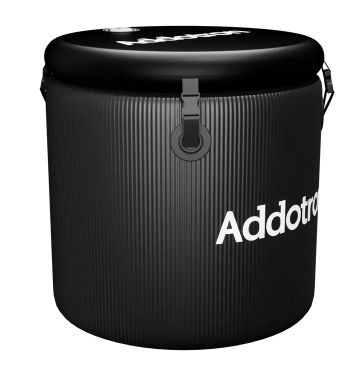
How Ice Baths Benefit Muscle Recovery
Reduction in Muscle Soreness (DOMS)
Delayed Onset Muscle Soreness (DOMS) is one of the most common post-exercise experiences, especially after high-intensity workouts. This soreness occurs due to micro-tears in muscle fibers, leading to inflammation and discomfort. The cold temperature in an ice bath helps alleviate this soreness by constricting blood vessels, reducing the amount of swelling, and numbing the pain. The cooling effect of the water reduces the discomfort associated with DOMS, so athletes and fitness enthusiasts can recover more quickly and resume their activities with minimal pain.
| Benefit | Description |
|---|---|
| Reduction in Muscle Soreness | Helps alleviate Delayed Onset Muscle Soreness (DOMS) by reducing muscle inflammation. |
| Improved Circulation | Promotes blood flow by constricting blood vessels, helping nutrients reach muscles faster. |
| Decreased Inflammation | Cold immersion reduces swelling and minimizes muscle damage post-workout. |
| Mental Clarity and Focus | Boosts norepinephrine levels, enhancing focus and mental clarity after exercise. |
| Endorphin Release | Triggers a release of endorphins, leading to mood enhancement and stress relief. |
Vasoconstriction and Blood Flow
The vasoconstriction that happens during an ice bath, due to the cold temperature, plays a vital role in reducing inflammation and muscle damage. When the blood vessels constrict, blood flow to the muscles is limited, which helps minimize swelling and muscle damage. Once the person exits the ice bath and their body returns to normal temperature, blood vessels dilate, and the body pumps nutrient-rich blood into the muscles. This process helps to repair muscle fibers, clear out metabolic waste, and deliver oxygen to the muscles, promoting faster and more effective recovery.
Removal of Metabolic Waste
Exercise, especially intense training, produces metabolic waste products such as lactic acid, which can build up in the muscles, contributing to fatigue and soreness. Ice baths, through the process of improved circulation, help flush out these metabolic by-products. When blood flow returns to the muscles after the cold immersion, the muscles are replenished with fresh, oxygenated blood, which aids in removing these waste products. By doing so, ice baths help accelerate the healing process and reduce the time needed for muscles to recover fully.
The Mental Benefits of Ice Baths
Improved Focus and Mental Clarity
One of the unexpected but highly praised benefits of taking an Ice Bath Tub is the mental boost it provides. Cold exposure stimulates the release of norepinephrine, a neurotransmitter that is closely linked to enhanced mental focus, alertness, and mood regulation. Studies suggest that after an ice bath, individuals report feeling more mentally clear, focused, and sharp, which can be especially useful before a challenging workout or task. It helps prime the brain, providing a heightened state of awareness and focus that can improve performance in mentally demanding activities.
Reduction in Stress and Anxiety
Another mental benefit of taking an ice bath is its ability to reduce stress and anxiety levels. The cold shock from immersion can trigger the body's stress response, which ultimately leads to the release of endorphins, the body’s natural "feel-good" chemicals. Over time, regular ice baths may help lower overall stress levels, improve mood, and promote feelings of well-being. For people who suffer from anxiety or stress-related conditions, incorporating an ice bath into their recovery routine can provide significant mental health benefits.
Endorphin Release
Cold-water immersion can also lead to a significant release of endorphins. This "endorphin rush" is similar to the feeling of euphoria that some individuals experience after intense physical exercise. The release of endorphins triggers a sense of relief and improves mood, providing an overall sense of well-being. This mental boost can last for several hours after the bath, making it an excellent way to lift your mood and help you recover mentally as well as physically.
Optimal Timing and Duration for an Ice Bath
When to Take an Ice Bath
The best time to take an Ice Bath Tub is immediately after finishing your workout or training session. This timing allows the cold water to help reduce muscle inflammation and alleviate soreness right after the physical strain. If you wait too long, your body’s natural recovery processes, such as inflammation and tissue repair, may already be in progress, which could reduce the effectiveness of the ice bath.
How Long to Stay in the Ice Bath
The recommended time for an ice bath is generally between 5 to 10 minutes. It’s crucial to avoid staying in the cold water for too long, as prolonged exposure can lead to undesirable side effects such as hypothermia or excessive discomfort. Beginners should start with shorter durations and gradually increase the time as their bodies become accustomed to the cold exposure.
Temperature Guidelines
The water temperature in an Ice Bath Tub should be kept between 50°F to 59°F (10°C to 15°C). Going lower than this may cause too much discomfort, while higher temperatures might not provide the same recovery benefits. It’s important to monitor the water temperature before entering the bath to ensure it is within the optimal range.
| Category | Ideal Temperature | Recommended Duration |
|---|---|---|
| General Recovery | 50°F to 59°F (10°C to 15°C) | 5 to 10 minutes |
| Beginner Users | 50°F to 55°F (10°C to 13°C) | 3 to 5 minutes |
| Advanced Users | 55°F to 59°F (13°C to 15°C) | 7 to 10 minutes |
| Post-Strength Training | 50°F to 59°F (10°C to 15°C) | 5 to 8 minutes |
| Post-Endurance Exercise | 50°F to 59°F (10°C to 15°C) | 10 minutes |
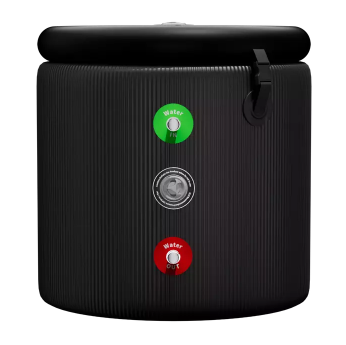
Ice Bath Tub: A Convenient Solution for Recovery
What is an Ice Bath Tub?
An Ice Bath Tub is a specialized tub designed for cold-water immersion, specifically for aiding recovery after intense workouts or physical activities. These tubs are built to hold cold water at a temperature range of 50°F to 59°F (10°C to 15°C), which is ideal for reducing muscle soreness, inflammation, and accelerating the recovery process. They are larger than a standard bathtub, offering enough space for the user to submerge their body (excluding the head), providing a more effective cold-water therapy experience.
Why Use an Ice Bath Tub?
The primary benefit of using an Ice Bath Tub is to help speed up muscle recovery after strenuous exercise. When you immerse your body in cold water, your blood vessels constrict, reducing inflammation and limiting muscle damage. After you step out, the blood vessels dilate, which promotes increased circulation and the delivery of fresh, nutrient-rich blood to the muscles. This process helps clear out metabolic waste like lactic acid, which builds up during exercise, and speeds up the muscle healing process.
Besides muscle recovery, Ice Bath Tubs can also provide mental clarity. The cold immersion stimulates the release of norepinephrine, which enhances focus and reduces feelings of fatigue, providing a mental boost before your next activity.
Features of an Ice Bath Tub
Many Ice Bath Tubs are designed with user comfort and convenience in mind. Some key features include:
Temperature Control: Most modern Ice Bath Tubs come with adjustable temperature settings, allowing users to maintain the ideal cold water temperature for maximum recovery benefits.
Ergonomic Design: These tubs are often designed to ensure a comfortable sitting or reclining position, making it easier to endure the cold immersion.
Portability: For those who prefer home recovery, portable models are available, allowing you to enjoy the benefits of an ice bath in the comfort of your own home.
Durability: Ice bath tubs are made of high-quality, insulated materials to maintain the cold temperature for longer periods, ensuring you get the full benefit of the immersion.
Conclusion
In conclusion, Ice Bath Tub sessions offer significant benefits for muscle recovery, especially in reducing soreness, improving circulation, and enhancing mental clarity. Although there are risks like hypothermia and possible interference with muscle growth, ice baths are an essential recovery tool for athletes, particularly those in endurance sports. Strength athletes may want to use ice baths sparingly to avoid hindering muscle development.
For those seeking reliable recovery solutions, Addotron Robotics provides advanced ice bath technology. Their product, designed for optimal cooling and user comfort, enhances the recovery process and supports overall well-being, making it a valuable addition to fitness routines.
FAQ
Q: What is an Ice Bath Tub?
A: An Ice Bath Tub is a cold-water immersion tool used to reduce muscle soreness, inflammation, and promote faster recovery after intense exercise.
Q: How does an Ice Bath Tub help with muscle recovery?
A: The cold water in an Ice Bath Tub constricts blood vessels, reducing inflammation, and when you exit, the vessels dilate, increasing circulation to promote faster healing.
Q: How long should I stay in an Ice Bath Tub?
A: It’s recommended to stay in an Ice Bath Tub for 5 to 10 minutes, depending on your tolerance and recovery needs.
Q: Are there any risks associated with using an Ice Bath Tub?
A: Prolonged exposure can lead to hypothermia or discomfort. It’s important to monitor the time and temperature to ensure safe use.